Please note that times and session information in the Agenda may change or be updated. Please visit this page for the most up to date information as we finalize the Agenda.
Presenter names are listed as provided by each individual. Please note that some presenters may choose nontraditional capitalization or formatting to reflect their personal or professional identity.
Full Agenda Available To Download
All Day
Ofrenda/Altar available (Ofrenda Healing and Sacred Offering Space) – Piñon Room
La Feria de Salud (Conference Exhibitors) – Exhibit Hall
7:00 am – 10:00 am
Registration – Embassy Suites Foyer
7:00 am – 8:30 am
Breakfast – Embassy Suites Foyer
8:30 am – 10:00 am
Welcome and Opening Plenary Session – Sandia Ballroom
Dr. Yolanda Rodriguez
NLBHA Board President
 Dr. Yolanda Rodriguez is a licensed clinical psychologist and national leader in Latino behavioral health equity. She earned her doctoral degree in Clinical Psychology from the University of Mississippi and completed her postdoctoral fellowship at Cherokee Health Systems, gaining specialized expertise in integrated and community-based care.
With over a decade of experience spanning community mental health, federally qualified health centers, nonprofit organizations, and federal agencies across the country, Dr. Rodriguez has built a career rooted in expanding access to culturally responsive care. Her work has included direct service to immigrant and refugee populations, and has been a consistent voice for systemic change in Latino behavioral health workforce development.
As President of the National Latino Behavioral Health Association, she brings both clinical depth and strategic vision to advancing health equity at the national level. Dr. Rodriguez also maintains a private practice in South Texas, where she provides bilingual psychotherapy and psychological assessment services to adults. She also serves as a consultant for Latino-led organizations and higher-level education institutions.
Father Michael Garcia
Rebecca Moore Maldonado, PhD, LMSW
Professor, New Mexico Highlands University, Facundo Valdez School of Social Work
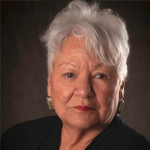 Dr. Maldonado Moore is a full Professor in the Facundo Valdez School of Social Work at New Mexico Highlands University. Dr. Moore is also a licensed social worker with an emphasis in community health prevention and intervention programs. She has been teaching graduate and undergraduate courses across the curriculum with an emphasis on community-based research, crisis intervention and macro practice courses. She has more than 20 years of practice experience in community-based development and organizing. Her publications include interprofessional education; health care delivery; strategic planning processes; cultural competency; and, equity and inclusion praxis.
M. Christina Montoya, PLCSW, CJSOT, BSC
NLBHA Board Vice-President
 M. Christina Montoya is a Licensed Clinical Social Worker (LCSW), Certified Juvenile Sexual Offender Therapist (CJSOT), certified special education teacher, and Behavior Support Consultant (BSC) with more than two decades of experience advancing equity and culturally responsive care across behavioral health, education, and public systems.
She was honored as an NLBHA Behavioral Health Champion in 2016 and continues to support policy, training, and capacity-building efforts across the country.
Appointed by Governor Michelle Lujan Grisham, Ms. Montoya also serves as President of the New Mexico Military Institute (NMMI) Board of Regents. In this role, she leads institutional oversight, policy governance, and strategic development for one of the nation’s premier military junior colleges. She is also Vice President of the New Mexico CASA Association, where she supports statewide efforts in juvenile justice reform and child welfare advocacy.
An alumna of NMMI, Ms. Montoya earned her Associate of Arts in Spanish and later completed both her BSW and MSW degrees at New Mexico Highlands University, specializing in Leadership and Administration. Her professional career includes direct clinical services to at-risk youth, school-based mental health services, and behavior intervention supports for students with disabilities. She provides trauma-informed, DBT-informed, and culturally grounded consultation across New Mexico’s public schools and behavioral health systems.
Ms. Montoya’s public service includes prior leadership on the Board of Directors for the NASW-NM Chapter (as Vice President of Finance and Chair of the School Social Work Committee), the NMHU Alumni Board, the NMPED Secretary’s Family Advisory Cabinet, and the New Mexico Hispanic Heritage Committee.
Dr. Adam Amador
Chief Academic Officer, Alma d’Arte Charter High School
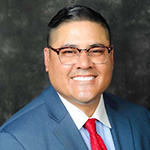 Dr. Adam García Amador is the Chief Academic Officer at the Alma d’Arte Charter High School and an accomplished educational leader from Bayard, New Mexico. He is the recipient of the 2025 Corazon de Cultura Award for his leadership in promoting Hispanic culture and heritage in schools across New Mexico. As Chief Academic Officer, he has helped lead the school to local, state, and national recognition. Dr. Amador also serves as Chair of the Hispanic Education Advisory Council, where he works to expand culturally relevant education programs, strengthen student and parent engagement, and improve success for Hispanic students throughout the state.
Fred Sandoval, MPA
NLBHA Chief Executive Officer
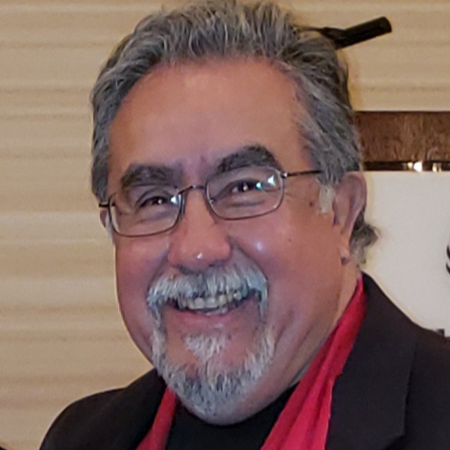 Fred has over 34 years professional experience in health and human services. Fred served as the President of the National Latino Behavioral Health Association, where he currently works as the Executive Director. He served as a member of the SAMHSA Health Care Reform Community of Practice advising on effective outreach and enrollment of uninsured Latinos. Fred served on the National Council of La Raza Affiliate Council. He was formerly appointed by Governor Bill Richardson as the Deputy Secretary of Health and Income Support Division Director for the State of New Mexico and was the alternate to the U.S.-Mexico Border Health Commission. He served as First Vice President of the National Alliance on Mental Illness (NAMI) in Arlington, VA. Fred worked as the Human Service Planning Supervisor for the City of Santa Fe overseeing CDBG and human services programs. Fred met with and participated in President George W. Bush’ announcement of the New Freedom Commission in Albuquerque, NM and served on the National Latino Mental Health Congress during the President Clinton administration. He has served on numerous national, regional and community boards, councils, commissions and committees. He is a nationally recognized trainer and consultant on culturally informed practices. He received his Masters in Public Administration from Northern Arizona University in 1992 and his Bachelors of University Studies from the University of New Mexico in 1980. He has received the SAMHSA Administrator Award, the Cerro Grande Fire Hero Award, the Con Alma Health Foundation Health Hero Award and numerous national recognition for his work in and with Latino communities. His technical skills include data research and analysis, program evaluation, planning and community needs assessments, policy research and analysis, program development, budget preparation, business planning, environment scans, survey development & administration, and technical report writing.
Nick Boukas
Director, New Mexico Behavioral Health Services Division
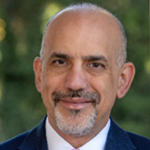 Nick Boukas is the Director for the Behavioral Health Services Division with the New Mexico Department of Human Services. Nick has served in government at the local, county, and state levels in various roles. He has also worked for the National Association of City and County Health Officials (NACCHO) in Washington, DC, promoting Public Health and collaborating with the CDC and other federal agencies on policy and programs. He has been an invited speaker at national and regional conferences, addressing various topics ranging from workforce development to community engagement.
Minerva Jurado-Perea
Chief Engagement Officer, Albuquerque Hispano Chamber of Commerce
Dr. Manuel X. Zamarripa
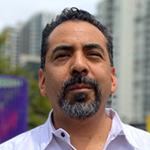 Manuel X. Zamarripa is the co-director and co-founder of the Institute of Chicana/o/x Psychology based in Austin, TX where he conducts community workshop platicas as well as professional development training for educators and mental health professionals on issues related to Chicana/o/x wellness, cultural identity, and mental health from a Chicana/o/x framework. Manuel’s publications and presentations in psychology and education focus on Chicana/o/x well-being, racial responsiveness, cultural revitalization, social justice and leadership. Chicano Psychologist, Dr. Zamarripa, is a licensed professional counselor and supervisor (Texas) and received his doctorate in Counseling Psychology from the University of Wisconsin-Madison, his master’s in Counseling Psychology from Our Lady of the Lake University, and his bachelor’s in psychology from the University of Notre Dame.
Alicia Kormick, CCHW
Children’s Services Liaison: Schools and SBHC’s, UHC Community and State New Mexico
10:00 am – 10:15 am
Morning Break – Sandia Ballroom Foyer
10:15 am – 11:45 am
Morning Workshops
Latinx immigrants often face compounded stressors related to migration, legal uncertainty, and trauma exposure, significantly affecting mental health across the lifespan. Bridging Care and Counsel: Integrating Immigration Legal Services and Mental Health Counseling in Latino Communities presents a multidisciplinary, evidence-informed framework aligning immigration legal advocacy with culturally responsive mental health counseling. This workshop reviews common immigration relief options for undocumented communities and examines how mental health providers can support clients throughout legal processes. Drawing from interdisciplinary practice, the session highlights collaborative strategies that improve outcomes, reduce access barriers, and promote ethical, trauma-informed coordination. Designed for clinicians, medical professionals, counselors, therapists, and researchers, this workshop advances integrated care for immigrants navigating immigration court and USCIS processes.
NLBHA Board Member
Sierra I
About the Presenter
Eduardo García, J.D., M.A.
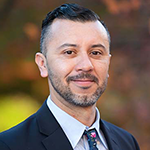 Eduardo Garcia is an attorney currently based in Chicago, Illinois. He is a native of the El Paso, Texas borderland area. He holds a master’s degree in history with a focus on Borderlands and Public History from the University of Texas at El Paso, where he also earned his bachelor’s degree in history. Before pursuing a legal career, Eduardo served as a professor of U.S. and World History, and Chicano Studies.
During law school, Eduardo served as a law clerk at the Pueblo of Isleta Appellate Court and completed internships with the New Mexico Immigrant Law Center and the New Mexico Center on Law and Poverty, both based in Albuquerque.
Following law school, Eduardo was selected as an Equal Justice Works Fellow, practicing in New Mexico. He then went to become supervising attorney at a non-profit agency in Chicago, advocating for underserved communities. In 2025, Eduardo joined a large national immigration law firm.
Outside of work, Eduardo serves on the NLBHA Board of Directors. He is an avid gamer and appreciates relaxing with a craft beer and carne asada during Chicago’s summer months.
Domestic violence (DV) and chronic mental illness represent significant, often co-occurring, public health crises, particularly within the Latino community, where unique cultural and socioeconomic factors often lead to underreporting and delayed help-seeking. This presentation examines the bidirectional relationship between intimate partner violence (IPV) exposure and mental health conditions like depression and PTSD, highlighting how existing mental health problems can increase vulnerability to abuse and vice versa. We explore the specific barriers faced by Latina survivors, including language barriers, financial dependence, fear of retaliation or deportation, self-blame, and the influence of traditional gender norms such as machismo and marianismo. The core focus is on the critical need for culturally sensitive psychoeducational interventions designed to empower individuals, challenge stigma, and facilitate access to formal support systems. The presentation will detail strategies for implementing effective, community-based programs that address these psychosocial stressors and promote resilience and well-being among immigrant Latina women.
NAADAC CE / APA CME
Sierra II
About the Presenter
Dr. Maria Ferreras-Mendez
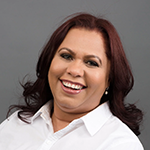 Dr. Maria Ferreras is a Licensed Mental Health Counselor (LMHC) and bilingual clinician with over 18 years of experience serving diverse communities across Massachusetts. She holds a PhD in Clinical Psychology from Doxa International University (Christian Orientation), a Master’s in Counseling Psychology from Lesley University, and advanced certification in trauma recovery from Harvard Medical School.
Her practice, Ferreras Counseling & Wellness, was founded in 2015 to address the urgent need for culturally aligned, bilingual mental health services. As a Dominican-born clinician and former legal professional, Dr. Ferreras brings a unique lens to her work—integrating trauma-informed care, Christian values, and deep cultural humility. Her team reflects the racial, linguistic, and ethnic diversity of the clients they serve.
Dr. Ferreras’s personal journey began with the loss of her father at age six, an experience that shaped her lifelong commitment to emotional healing. She has worked in emergency psychiatric services, school-based partnerships, and community clinics, and currently offers individual therapy, Christian-based groups, and family-centered workshops.
In 1999, she received the Commonwealth of Massachusetts EAS Pinnacle Award for her work helping over 100 Latina women transition from public assistance to sustainable careers. She is now co-authoring a book with Dr. Jonathan Yeh that blends personal narrative with evidence-based strategies for mental health recovery.
Dr. Ferreras is a passionate advocate for youth mental health and currently partners with Lawrence Public Schools to support emotional wellness in children and families.
She has shared her expertise and insights through media outlets such as Telemundo Nueva Inglaterra, Univisión, La Mega Radio, Águila Radio, and the Órale con Verónica show, delivering messages of hope and practical tools to thousands of Latino families.
Annabelle Martinez, Deputy Director of the New Mexico Health Care Authority’s Behavioral Health Services Division, will present key advancements and milestones across New Mexico’s behavioral‑health system, highlighting major accomplishments in peer support, crisis response, prevention, and community‑based care. She will share progress within BHSD’s Office of Peer Recovery & Engagement, including expanded statewide CPSW training opportunities, peer‑run wellness centers, endorsements, and strengthened collaboration with the New Mexico Corrections Department—such as the first in‑facility CPSW training held in Grants. Ms. Martinez will also highlight the continued growth of New Mexico’s 988 Suicide & Crisis Lifeline, which has supported more than 280,000 combined calls, texts, and chats since inception, including strong engagement from Native American communities through culturally grounded outreach. Additional milestones include the rollout of new Mobile Crisis Teams—most recently in Taos—the expansion of Certified Community Behavioral Health Clinics, and statewide progress under the Behavioral Health Reform and Investment Act (SB3, 2025). She will also share updates on BHSD’s supportive housing initiatives, A Dose of Reality and naloxone distribution efforts, prevention and clinical services, New Mexico Recovery, justice‑related services, and the statewide rollout of the Navi youth‑focused mental wellness app —developed with teens for teens. Together, these accomplishments reflect BHSD’s commitment to delivering a coordinated, accessible, and culturally respectful behavioral‑health system for all New Mexicans.
Sierra III
About the Presenter
Annabelle Martin – Deputy Director
New Mexico Health Care Authority’s Behavioral Health Services Division
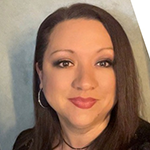 Annabelle Martinez has worked for the New Mexico Health Care Authority for over 14 years, bringing deep experience in behavioral health, community partnership, and statewide systems coordination. She currently serves as the Deputy Director of HCA’s Behavioral Health Services Division over Stakeholder and Collaboration, where she leads efforts to strengthen relationships with providers, Tribal governments, regional partners, and community organizations. Her leadership supports BHSD’s vision to create the highest‑quality behavioral‑health system available to all New Mexicans, driven by health equity, quality, and access to services.
Ms. Martinez oversees the Office of Peer Recovery & Engagement team, which trains and certifies Certified Peer Support Workers; the Provider Support Team; BHSD’s Tribal Liaison; and the Collaboration Unit, where staff coordinate with the Behavioral Health Planning Council Coordinator, the Public Relations Coordinator, the New Mexico Behavioral Health Local Collaborative Coordinator, and the Business Operations Manager.
Across communities, gas stations, bodegas, and convenience stores have become unregulated access points for intoxicating substances, including hemp-derived THC, nitrous oxide, kratom, and psilocybin-like products. Frequently sold without age verification, clear warnings, or accurate information, these substances increase normalization, substance use, and addiction risk among Latino youth. This session examines how weak regulations, youth-targeted marketing, and policy loopholes fueled this public health crisis. Moving beyond risk awareness, the presentation emphasizes prevention, resilience, and the strength of la familia by offering responsive coping skills and practical guidance for trusted adults to support kids and advocate for stronger protections for Latino youth.
Ocotillo I
About the Presenter
Julie Dreifaldt, BA
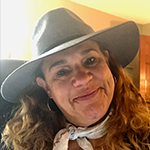 Julie Dreifaldt is a nationally recognized subject matter expert and sought-after speaker for One Chance to Grow Up, focused on youth protection, THC prevention, and parent education. Since 2018, she has spoken nationally to policymakers, community leaders, parents, and schools about today’s marijuana, hemp, and intoxicating substances, equipping communities to protect kids. She holds a BA in History and English from Mount Vernon Nazarene University.
Esta presentación comparte los hallazgos de la evaluación del modelo de Promotoras de AVANCE North Texas, un enfoque comunitario de educación en salud mental dentro de un programa de dos generaciones que trabaja con familias hispanas. Las Promotoras capacitadas ofrecieron sesiones culturalmente sensibles de alfabetización en salud mental, ayudaron a reducir el estigma y conectaron a las familias con servicios de apoyo.
La sesión también explora cómo el modelo evolucionó de Promotoras a Embajadoras de Salud Mental. Aunque el currículo, la capacitación y el rol comunitario se mantuvieron iguales, el cambio de identidad fortaleció el sentido de liderazgo, empoderamiento y responsabilidad de las participantes dentro de sus comunidades, ampliando el impacto del programa.
Ocotillo II
About the Presenters
Ana Lorena Carrasco
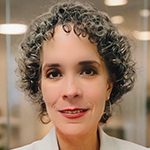 Ana Lorena Carrasco is a passionate advocate for families and education, currently serving as Executive Director of AVANCE North Texas. A proud AVANCE alumna herself, Ana’s journey—from program participant and parent to organizational leader—embodies the transformative power of the two-generation approach she now champions.
Before assuming her current role, Ana Lorena served as the Senior Director of Curriculum and Implementation at the AVANCE National Office, where she led the development, review, and continuous improvement of AVANCE’s curriculum, programs, and services nationwide. Prior to that, she spent more than a decade at AVANCE North Texas serving the community in a variety of roles, gaining deep, hands-on experience that continues to inform her leadership today.
Ana holds a Bachelor of Science in Industrial Engineering from the Instituto Tecnológico de Saltillo in Coahuila, Mexico, and a Master’s degree in Teaching Spanish as a Foreign Language from the Universidad Internacional Iberoamericana in Puerto Rico. She has also completed the Executive Leadership and Performance Leadership programs at Cornell University, a Professional Certificate in Online Curriculum Development from National University, the Applied Business Science–AI Prompting program through Texas Executive Education at the University of Texas at Austin, and a certificate in Women in Leadership from Southern Methodist University.
Under Ana’s leadership, AVANCE North Texas continues to walk alongside families to achieve social and economic justice—helping parents become their children’s first teachers and creating equitable pathways to opportunity. This mission reflects the organization’s broader commitment to empowering underserved families and strengthening communities through education and support.
Ana is also a proud graduate of the AVANCE Parent-Child Education Program (PCEP), which she completed alongside her youngest son—an experience that continues to inspire her work every day. Outside of her professional life, Ana enjoys exercising with friends, baking, and sharing desserts with family and loved ones.
Monserrat Mata
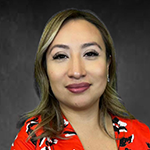 Monserrat Mata serves as the Mental Health Specialist at AVANCE, where she leads the implementation of the WELL TOGETHER Mental Health Curriculum for participants in the Parent-Child Education Program (PCEP). In this role, she also oversees key administrative functions and directs the training and professional development of Parent Educators, equipping them with the tools and knowledge necessary to strengthen community connections and promote mental health awareness among the families they serve.
Prior to her current role, Ms. Mata worked as a Parent Educator and Case Worker, where she focused on developing and supporting mental health promoters as vital liaisons between the community and health services. Through this work, she provided education on prevention, early identification, and access to resources for individuals experiencing mental health challenges—efforts that closely align with the Mental Health Ambassadors initiative.
Ms. Mata holds a Mental Health Certification from the MHFA Council for Mental Health Wellbeing, reflecting her commitment to advancing mental health education and empowering communities through culturally responsive and accessible support. She also serves as a member of the Board of Directors of NAMI North Texas, where she has contributed her leadership for the past two years.
This presentation outlines the University of New Mexico Rural and Community Psychiatry Program’s innovative approach to expanding behavioral health care access in rural communities through targeted provider training. Participants will learn about the program’s structure and key components, examine the impact of these training initiatives on service delivery in underserved areas, and explore strategies for addressing behavioral health workforce shortages. Lessons learned and best practices will be shared to inform similar efforts at other institutions, with the goal of improving behavioral health outcomes in rural and community settings.
La Ventana
About the Presenters
Jose A. Canaca
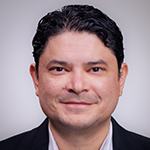 Dr. Jose A. Canaca is a Board-Certified Psychiatrist and an Associate Professor in the Department of Psychiatry and Behavioral Sciences at the University of New Mexico (UNM). He currently serves as the director of the rural psychiatry program and the medical director of the telehealth program within the Division of Community Behavioral Health.
Dr. Samuel Reyes
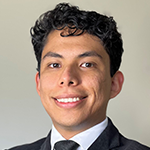 Samuel Enrique Reyes Sánchez, MD, is a psychiatry resident at the University of New Mexico. He earned his medical degree from Universidad de Montemorelos in Mexico and previously trained as a radiology technician at Universidad Autónoma de Nuevo León. His clinical experience includes primary care and hospital-based training in Mexico, and he has contributed to academic work in neuromodulation and global mental health through publications, presentations, and participation in Project ECHO LATAM.
Dr. Brendan Barth
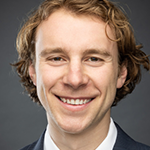 Dr. Brendan Barth grew up in Hanover, New Hampshire where he majored in classical studies at Dartmouth College. He was fortunate to be a part of the Dartmouth Men’s Soccer team that won the Ivy League three years in a row, and to play the saxophone in the jazz ensemble. He explored a variety of passions after graduation – teaching as a math and science tutor and soccer coach at a boarding school in Hudson Valley, NY, and pursuing a four-month global health scholarship in Rwanda, prior to eventually returning and completing medical school at the Geisel School of Medicine at Dartmouth. Brendan is now a third-year Psychiatry Resident at the University of New Mexico. His interests include rural and community psychiatry, psychotherapy, integrative medicine, and working specifically with transitional-age youth. In his free time, you’ll find Brendan doing improv, mountain biking or skiing with his dog “Roo” and partner “Susanna”.
Mauricio Tohen, MD, DrPH, MBA
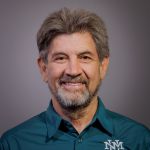 Mauricio Tohen, MD, DrPH , MBA es el Jefe del Departamento de Psiquiatría, Profesor Distinguido y Professor Regents de la Universidad de Nuevo México en Albuquerque NM. En 2014 y 2017 el Dr. Tohen fue reconocido por Thomson Reuter como “Mentes Científicas más Influyentes del Mundo” Los homenajeados fueron los científicos que se encontraron en el 1% más alto de las obras publicadas. Fue reconocido como uno de los 100 científicos mas destacados a nivel mundial en Psquiatría y Psicología.
12:00 pm – 1:00 pm
Lunch Buffet & Raffle Drawings– Sandia Ballroom
1:00pm – 2:30 pm
Afternoon Workshops
The prevention roadmap outlines a strategic evidence-based approach to reducing risk factors and strengthening protective factors across the domains of family, individual, and community. The presentation will highlight how to implement and integrate culturally responsive practices that engage the family, school and youth.
Sierra II
About the Presenters
Julie Priego, MS
 Ms. Julie Priego is the Vice President of Prevention Intervention Strategies at Aliviane, bringing over 27 years of experience in substance use prevention and intervention services. Her work is centered on advancing evidence-based prevention efforts aligned with the state’s four prevention priorities: reducing underage drinking, marijuana use, tobacco use, and prescription medication misuse across El Paso County and Hudspeth, Culberson, Presidio, Brewster, and Jeff Davis regions. Julie has led collaborative prevention initiatives across a wide range of community sectors, including law enforcement, faith-based organizations, schools, parents, youth, Health care providers, Businesses, workforce development, Higher education, Civil and volunteer groups and media partners. Through innovative strategy development and change management, she drives organizational stability, program effectiveness, and sustainable community impact. She provides executive leadership over more than 12 prevention programs and supervises a multidisciplinary team of over 30 staff members. Julie is a sought-after public speaker and subject matter expert, delivering training and technical assistance in prevention, intervention, mental health, substance use and behavioral health at the local, state, national, and international levels. She holds a master’s degree in psychology, is an Advanced Certified Prevention Specialist and was honored as Specialist of the Year in 2015.
Victor Nava, BBA, MBA, CPA
Drawing on Dr. Pierce’s extensive leadership in trauma-informed treatment and service delivery – including trainings, coaching, and consulting with CYFD, Juvenile Justice Services, APS, and SFPS — this session builds sustainable resilience for clinicians, nonprofit leaders, and legal professionals. Participants learn to respond skillfully to stress, uncertainty, and emotional demands by distinguishing worry, anxiety, stress, and overwhelm, and understanding how unmanaged stress contributes to burnout. Grounded in evidence-based frameworks such as SPIRE, PERMA+, and emotion regulation models, the session emphasizes mindset, mindfulness, self-regulation, and the protective role of connection, kindness, courage, and community. It supports values-based practices for long-term wellbeing.
NAADAC CE / APA CME
Sierra III
About the Presenter
Craig Pierce, LPCC, LMFT
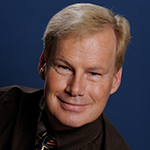 Craig Pierce, PhD, LMFT, LPCC, is the founder and CCO of Southwest Family Guidance Center & Institute. Founded in 2004, Southwest Family Guidance Center serves children, adolescents and families in seven counties throughout New Mexico. As the Chief Clinical Officer of the Institute, he and our training team provide extensive training to clinicians, educators, New Mexico Children, Youth, and Families Division (CYFD), and other partnering stakeholders. He is the author of Parenting Without Distraction: The Attunetion Approach and the co-author of Parenting Through Grief: The Attunetion Approach, as well as our Thriving Kids and Thriving Students curriculum, and programs offered to CYFD and school districts throughout New Mexico.
Culturally and linguistically responsive mental health support is essential for effectively reaching and empowering Spanish-speaking communities. Traditional clinical approaches are not always accessible or culturally resonant, creating gaps in care and reducing community trust. In this session, we will introduce Escucha tus Emociones, a community-based mental health initiative founded and led by Clinical Director Ana Paula Soares, MS, LPC, CCTP, in Milwaukee, Wisconsin. Escucha tus Emociones bridges the gap in accessible, culturally affirming care by training and mentoring Peer Support Specialists and Community Leaders to incorporate psychoeducational workshops, mental health resource tables, and community ancestral healing circles as alternative approaches to promote emotional well-being that are culturally and linguistically affirming for the Latine community of Milwaukee. The interactive session will explore how community-based mental health initiatives and educational outreach programs—when designed to be culturally responsive—can foster connection, healing, and resilience. Through personal testimony, attendees will learn about the training of local promotores de salud as mental health leaders, who offer peer-led healing spaces to address public mental health needs, combat stigma, and improve mental health literacy. Participants will gain insights into implementing similar culturally attuned approaches in their own communities and organizations.
Ocotillo I
About the Presenters
Cecilia Eva Tenorio, M.B.E.
 Cecilia Eva Tenorio is an experienced mental health advocate and bilingual Eng/Spanish curriculum developer, educator and Mental Health and Wellness Coordinator at Community Advocates Public Policy Institute. She is currently an Escucha tus Emociones Facilitator and Program Coordinator, coordinating efforts to support the first cohort of Spanish-speaking facilitators as Certified Peer Support Specialists in the Milwaukee area. Through Escucha tus Emociones, a community based mental health initiative, they have coordinated and facilitated numerous psychoeducational workshops and tabling opportunities, assisted in hosting healing circles open to the community. A queer, midwestern Latina, Cecilia is passionate about the mission of reducing stigma related to topics of mental health challenges and substance misuse in Spanish speaking communities, and promoting culturally relevant, community based mental health care. Their lived experience with mental health challenges and commitment to suicide prevention make them a passionate advocate for community-driven healing practices.
Patricia Luevano Mayorga, BA
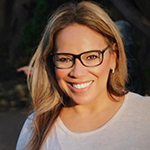 Patricia serves as a Facilitator, Mentor, Certified Peer Support Specialist, and Breathwork Practitioner in training with Escucha tus Emociones. She brings years of experience working at a federally qualified community health center, where she developed a deep understanding of health disparities among diverse communities on Milwaukee’s near south side. During her time there, Patricia built strong relationships with residents and local organizations and coordinated Líderes Por La Salud, a leadership development and advocacy program focused on expanding health education, access to nutritious foods, and opportunities for safe physical activity. Guided by her passion for improving the social determinants of health, Patricia combines her advocacy for nutritional food access and movement with her commitment to community based mental health. She believes that nourishing the body and fostering connection through movement and somatic awareness are essential pathways to healing and emotional well-being.
(Presentación en Español)
Description Coming Soon
Ocotillo II
About the Presenter
Salvador Amezola, CADCII, QMHAI, CGAC-R
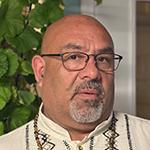 Salvador Amezola holds CADC II, QMHA I, and CGAC-R certifications, as well as a National Executive Leadership Certificate for Hispanics and Latinos. He has worked in the field of substance use treatment since 1998, bringing decades of experience to his role.
He currently serves as the Director of the Madras Recovery Program (PRM) at BestCare Treatment Services, the only culturally specific residential rehabilitation program in the state of Oregon, located in Central Oregon.
In addition to his leadership role, Salvador serves on the Board of Directors for the Oregon Council for Behavioral Health (OCBH), where he is an active member of the Diversity, Equity, and Inclusion (DEI) Committee. He is also the President of Latinos Unidos Oregon, where he leads efforts to advance equity, access, and representation for Latino communities in behavioral health.
Salvador Amezola cuenta con las certificaciones CADC II, QMHA I y CGAC-R, así como con un Certificado Nacional de Liderazgo Ejecutivo para Hispanos y Latinos. Desde 1998, ha desarrollado una amplia trayectoria en el campo del tratamiento del uso de sustancias.
Actualmente, se desempeña como Director del Programa de Recuperación de Madras (PRM) de BestCare Treatment Services, el único programa residencial de rehabilitación culturalmente específico en el estado de Oregón, ubicado en el centro de Oregón.
Además, forma parte de la junta directiva del Oregon Council for Behavioral Health (OCBH), donde participa activamente en el comité de Diversidad, Equidad e Inclusión (DEI). Asimismo, es Presidente de Latinos Unidos Oregon, desde donde impulsa iniciativas enfocadas en la equidad, el acceso y la representación de comunidades latinas en el ámbito de la salud conductual.
This session examines the importance of addressing inadequate response in patients with major depressive disorder to optimize symptom control. We will review treatment challenges, discuss integrating an adjunctive atypical antipsychotic with antidepressant therapy, and examine data on efficacy and safety to support individualized treatment planning.
About the Presenter
Daniel Tamez, ScD, MPAS, PA-C, CWS, FACHE
Daniel Tamez, ScD, MPAS, PA-C, CWS, FACHE, is a bilingual psychiatric Physician Associate and healthcare executive based in the Rio Grande Valley of South Texas. He holds a COO level administrative role at Jose E. Igoa, MD PA, an outpatient general psychiatric practice, and faculty appointments at UTRGV and the University of Houston Fertitta Family College of Medicine. A lifelong RGV native, he treats a predominantly Hispanic and Latino patient population and brings nearly a decade of executive leadership experience at DHR Health System, the largest healthcare system in South Texas south of Houston. He is an ALM Candidate in I/O Psychology.
2:30 pm – 2:45 pm
Afternoon Break – Sandia Ballroom Foyer
2:45 pm – 4:00 pm
Afternoon Workshops
Cultural adaptations are crucial in order for mental health services, assessments and treatments to be personally effective, accessible and relatable to Latino migrant populations. Integrating cultural values, considering sociocultural factors, providing linguistic accommodations, addressing barriers to treatment and integrating community resources are some examples to consider when implementing cultural adaptations to deliver interventions that address the holistic identities of Latino clients. This session will equip clinicians with specific cultural adaptation strategies, collaborative treatment strategies, application of health equity principles and specific culturally adapted interventions and translated assessments to help clinicians learn how to better serve their Latino migrant populations.
NAADAC CE / APA CME
Sierra I
About the Presenter
Esther Rodriguez, M.S.
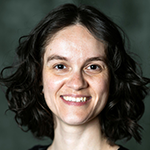 Esther Rodriguez is a mental health professional currently based in Austin, TX with over ten years of experience working with all age groups in a variety of social services settings including human rights organizations, community-based mental health agencies, domestic violence shelters, and juvenile justice facilities. Originally from Miami, FL, Rodriguez earned a Bachelor of Science in Psychology and Music in 2015 and a Master of Science in Mental Health Counseling in 2018 from Palm Beach Atlantic University in West Palm Beach, FL. Rodriguez discovered a passion for working with refugee and migrant populations both from serving pockets of local communities in various states across the USA and from personal experience as a first-generation child of immigrant parents.
dr. danyelle s. goitia beal
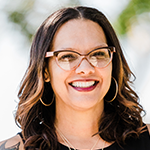 dr. beal earned her doctoral degree in Clinical Psychology from The Chicago School of Professional Psychology. Her dissertation: Trauma and Resiliency in Black American Women began a journey of breaking the stigma of traumatic events that can plague the Black community. Dr. Beal contributed to an anthology titled “Shenomenal Women that became a #1 Best Seller. Simultaneously, she completed her pre- and post-doctoral internship supporting survivors of domestic violence, sexual abuse and within the LGBTQIA2+ communities. Currently, she supports children, families and women who are underrepresented. She owns a non-public agency called Loving Hands FSS, LLC. where she provides educational and behavioral support in various contexts. She trains community agencies on how to safely de-escalate sensitive members of the community who are in behavioral and mental health crises. As a trauma survivor, dr. beal has overcome insurmountable odds that has formed her journey through healing which she calls “heart work”. She understands that to truly begin to live a life of intention, one must get to the “heart work” of their own healing journey. This incorporates every aspect of a person’s environment and her approach to healing is comprehensive and multi-faceted.
This presentation explores shared pain as a relational and healing pathway within Latino and collective-centered clinical contexts. Drawing from trauma-informed, decolonial, and culturally responsive practice, it reframes tears not as pathology or weakness, but as an expression of love, connection, and relational repair. Through clinical reflections, cultural narratives, and applied therapeutic strategies, participants will examine how communal grief, emotional witnessing, and shared vulnerability can strengthen attachment, restore dignity, and support collective healing. The session offers clinicians practical tools for ethically holding emotion in ways that honor cultural meaning, interdependence, and resilience within Latino communities.
Sierra II
About the Presenter
Diana Anzaldua, LCSW-S
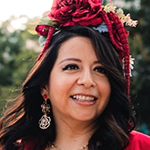 Diana Anzaldúa is a Xicanx psychosomatics therapist devoted to embodied trauma alchemy. She is the founder of the award-winning Austin Trauma Therapy Center and Contigo Wellness. A Licensed Clinical Social Worker, Board-Approved Supervisor, and second-year Decolonial Ph.D. scholar, an eighth-generation descendant of families whose histories were shaped by colonization on lands historically stewarded by Indigenous peoples of Nuevo León and Yanaguana—lands that continue to inform her understanding of how trauma lives in both bodies and territories. She is committed to dismantling colonial narratives in therapy and creating justice-rooted, liberation-centered healing spaces that are trauma-informed, anti-oppressive, and culturally responsive.
With over 17 years of clinical experience and lived wisdom as a trauma survivor, Diana has supported thousands toward deep, embodied transformation. Her work integrates ancestral healing, somatic therapy, spiritual care, and wellness justice—honoring healing as both personal and collective. Her clinical expertise has been featured in Allure, USA Today, and The Atlantic. She serves on local and national nonprofit boards, has received multiple awards for community leadership, and is a graduate of the University of Texas at Austin. She is licensed in Illinois, Nevada, Pennsylvania, and Texas.
Eating disorders in Latino/a/x populations are frequently missed or misdiagnosed due to cultural norms, stigma, and limited access to culturally responsive care. This presentation focuses on practical strategies for clinicians working with Latino/a/x individuals and families, including culturally informed screening, engagement, and treatment planning. Key considerations such as language use, family roles, acculturation stress, and clinician cultural humility are discussed. Recommendations aim to enhance equitable, effective care for Latino/a/x populations.
NLBHA Affiliate
Sierra III
About the Presenters
Rocio Avila Salinas, LCSW-S
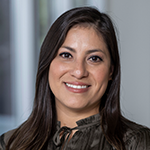 Rocio is a bilingual and multicultural therapist who has dedicated the last 16 years of her career to working with those with mental health needs in the central Texas region. Rocio earned her Bachelor’s and Master’s degrees from Texas State University San Marcos, where she graduated Summa Cum Laude. Rocio’s experience includes managing clinical operations at multiple levels of care, including acute inpatient psychiatric, and outpatient clinics. She has also served on various hospital and company committees including bioethics, diversity inclusion and belonging, and speciality therapy committees. Rocio has extensive experience in working with individuals with severe mental illness, complex trauma, eating disorders and disordered eating, obsessive compulsive disorder, and acute crisis intervention. Currently Rocio works as Clinic Director for Family Care Center and is a member of the Clinical Advisory Committee for National Eating Disorders Association (NEDA). Rocio is passionate about working with Latina/o/x individuals and family systems and strives to educate, support, and empower others to promote healing.
Rocío es una terapeuta bilingüe y multicultural que ha dedicado los últimos 16 años de su carrera a trabajar con las personas con necesidades de salud mental en la región central de Texas. Rocío obtuvo su licenciatura y maestría de la Universidad Estatal de Texas en San Marcos, donde se graduó Summa Cum Laude. La experiencia de Rocío incluye la gestión de las operaciones clínicas en múltiples niveles de atención, incluyendo hospitalización psiquiátrica aguda, y clínicas ambulatorias. También ha formado parte de varios comités del hospital y de la empresa, como los de bioética, diversidad, inclusión y pertenencia, y terapias especializadas. Rocío tiene una amplia experiencia en el trabajo con personas con enfermedades mentales graves, trauma complejo, trastornos de la alimentación y trastornos de la alimentación desordenada, trastorno obsesivo compulsivo, y la intervención en crisis aguda. Actualmente Rocío trabaja como Directora de Clínica para Family Care Center, y es parte del Comité Asesor Clínico de La Asociación Nacional de Trastornos Alimentarios (NEDA). A Rocio le apasiona trabajar con individuos y sistemas familiares latinos/o/x y se esfuerza por educar, apoyar y empoderar a otros para promover la sanación.
Jessica Scheer, MA
NEDA, Chief Executive Officer
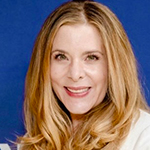 Jessica is an avid social cause capacity builder. She returned to NEDA in March 2023 after serving as a consultant to justice-oriented and New York-based social sector organizations. As a consultant and nonprofit leader, she has helped organizations raise millions of dollars and increase their impact. She has been an Executive Director and CFO at nonprofits who are leaders in their issue areas such as the EB Research Partnership and DoSomething.org. During her first term at NEDA from 2017-2019, she strengthened financial operations, created impact measurement systems, and led the program and development teams to new strategic growth. She holds a Masters Degree in Nonprofit Management from The New School.
Latino professionals remain underrepresented in behavioral health leadership despite being deeply connected to the communities most affected by mental health inequities. This session examines how intentional career development, mentorship, and advocacy can build strong leadership pipelines within behavioral health systems. Participants will explore strategies to identify emerging talent, reduce barriers to advancement, and advocate for organizational practices that promote equitable promotion, retention, and leadership representation.
Ocotillo I
About the Presenter
Rosita L. Marinez, MS-NPL, ADV-CSW, MSW, SIFI
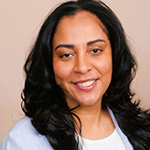 Rosita L. Marinez, MS-NPL, ADV-CSW, MSW, SIFI, is an executive strategist, award-winning author, and nationally recognized leader advancing equitable behavioral health and housing systems. Most recently, she served as Senior Vice President of Supported Housing at the Institute for Community Living (ICL)—one of New York City’s largest behavioral health organizations—where she oversaw one of the nation’s most extensive scattered-site housing portfolios serving individuals with serious mental illness and complex health needs.
With more than two decades of nonprofit leadership experience, Rosita has led large-scale initiatives that integrate behavioral health, housing stability, and community-based services to improve outcomes for historically underserved populations. Her work focuses on designing sustainable service models, strengthening cross-sector partnerships, and advancing culturally responsive systems that promote dignity, access, and long-term recovery.
She is the founder of Housing ER Consulting (HER), a strategic advisory practice that helps nonprofit organizations strengthen compliance, operational strategy, and equity-centered program development. An award-winning author and speaker, Rosita is a contributor to Latinx/e in Social Work (Volumes 2 and 3) and a contributing author to Today’s Inspired Leader, Vol. VI. She is also the creator and host of the Fostering Social Impact podcast, where she elevates emerging leaders across housing and behavioral health systems.
Her honors include the 2026 CUNY Recognition of Excellence, the 2026 P.O.W.E.R. Women of Empowerment Award, and the 2025 NYC & State Latino Trailblazer Award. Currently pursuing a Doctorate in Business Administration, Rosita remains committed to advancing culturally grounded leadership and developing transformative behavioral health systems that strengthen Latine communities nationwide.
This presentation shares findings from an Interpretative Phenomenological Analysis (IPA) exploring how Latin/a/o adults experience and navigate the combined challenges of ADHD and Type 2 Diabetes Mellitus. Interviews revealed how cultural expectations, multigenerational transmission processes, and key concepts from Bowen Family Systems Theory, such as chronic anxiety, emotional projection process, and differentiation of self, shape diabetes self-management and daily functioning. Participants share their lived experiences. Implications highlight the importance of culturally responsive and family-centered behavioral health interventions as well as integrated care approaches to support Latine/a/o adults managing both ADHD and Type 2 Diabetes Mellitus.
Ocotillo II
About the Presenter
Federico Mendez, LMFT-Supervisor
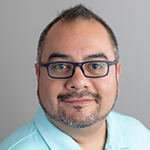 Federico Mendez, MS, LMFT-S, is the Founder and Clinical Director of Intimacy Counseling & Consulting, PLLC, a bilingual English/Spanish private practice based in Fort Worth, Texas, specializing in relational health, neurodiversity, and chronic illness within a Bowen Family Systems framework. He is a doctoral candidate in Marriage and Family Therapy at Texas Woman’s University, where his scholarly work examines the intersection of family emotional process, somatic symptom expression, and Latine/a/o cultural dynamics.
Mr. Mendez holds licensure as a Licensed Marriage and Family Therapist-Supervisor (TX: LMFT-S #203769; NM: LMFT #CTB-2026-0321) and is recognized as a Texas BHEC-approved clinical supervisor. He currently serves as a Board Member at Large for the Texas Association for Marriage and Family Therapy (TAMFT), where he has led advocacy initiatives focused on equity in demographic data for Latine/a/o and BIPOC mental health professionals.
His clinical and scholarly expertise is grounded in Bowen Family Systems Theory, with specialized application to neurodevelopmental conditions, metabolic health disparities, and culturally responsive care with Latine/a/o populations. He has published peer-reviewed research in The American Journal of Family Therapy, including a case study examining the application of Bowen Family Systems Theory in virtual, Spanish-language treatment of endometriosis. Mr. Mendez regularly presents at national and regional conferences, advancing dialogue on the embodied dimensions of family emotional processes in populations with chronic illness.
Prior to founding his practice, Mr. Mendez served as Director of Veteran Mental Health Services at a non-profit, where he provided leadership in trauma-informed and systems-based care. He maintains a robust continuing education program through Intimacy Counseling & Consulting, PLLC, offering CE Broker-approved training to licensed mental health professionals on ethics, neurodiversity, and Bowen-informed clinical practice.
Mr. Mendez identifies as a bilingual, bicultural, gay, cisgender Mexican-American clinician and a person with lived experience of ADHD and autism. His positionality meaningfully informs his commitment to neurodiversity-affirming, LGBTQAI2S+-inclusive, and culturally humble clinical practice.
La fuerza laboral de salud conductual es responsable de desarrollar y brindar servicios de calidad basados en la evidencia y guiados por la práctica para las personas afectadas por desafíos de salud mental, trastornos por consumo de sustancias y problemas relacionados. Dicho esto, nuestro campo está experimentando una crisis de la fuerza laboral, que incluye escasez de trabajadores, personas sobrecargadas de trabajo y mal remuneradas, así como una falta de estructuras de apoyo, incluida una supervisión y un acompañamiento continuos y de calidad. Esta realidad continúa contribuyendo a la fatiga por compasión, el agotamiento profesional y la rotación del personal. Esta sesión se centrará en las fortalezas, la resiliencia y las necesidades de la fuerza laboral. Los participantes aprenderán sobre prácticas de sanación y bienestar basadas en la cultura, el autocuidado, el cuidado colectivo, la supervisión de calidad y el apoyo.
La Ventana
About the Presenter
Haner Hernández, PhD, CPS, CADCII, LADCI
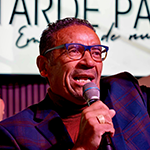 Dr. Hernández is from Borikén (Puerto Rico), fluent in Spanish and English, lives in Massachusetts, and has over 39 years of experience in planning, implementing, and evaluating Substance Use Disorder, Mental Health, HIV/AIDS, HCV, Problem Gambling, and related services. As a public health professional, with experience across the continuum, he embraces and promotes a greater understanding of the multiple strategies over multiple domains and multiple pathways of wellness and recovery.
Dr. Hernandez also believes that quality public health work cannot be accomplished without true partnerships and engagement with people with lived and living experiences, their families, and formal and meaningful relationships with community-based organizations and institutions.
Dr. Hernandez earned a PhD in Public Health at the University of Massachusetts, Amhurst and holds a GED (high school equivalence), which he earned in prison. As a person in long-term recovery from Substance Use Disorder, Haner is also deeply committed to uplifting the voices and experiences of people in wellness and recovery processes.
4:15pm – 5:00 pm
Closing Plenary & Day 1 Reflections – Sandia Ballroom
M. Christina Montoya, PLCSW, CJSOT, BSC
NLBHA Board Vice-President
M. Christina Montoya is a Licensed Clinical Social Worker (LCSW), Certified Juvenile Sexual Offender Therapist (CJSOT), certified special education teacher, and Behavior Support Consultant (BSC) with more than two decades of experience advancing equity and culturally responsive care across behavioral health, education, and public systems.
She was honored as an NLBHA Behavioral Health Champion in 2016 and continues to support policy, training, and capacity-building efforts across the country.
Appointed by Governor Michelle Lujan Grisham, Ms. Montoya also serves as President of the New Mexico Military Institute (NMMI) Board of Regents. In this role, she leads institutional oversight, policy governance, and strategic development for one of the nation’s premier military junior colleges. She is also Vice President of the New Mexico CASA Association, where she supports statewide efforts in juvenile justice reform and child welfare advocacy.
An alumna of NMMI, Ms. Montoya earned her Associate of Arts in Spanish and later completed both her BSW and MSW degrees at New Mexico Highlands University, specializing in Leadership and Administration. Her professional career includes direct clinical services to at-risk youth, school-based mental health services, and behavior intervention supports for students with disabilities. She provides trauma-informed, DBT-informed, and culturally grounded consultation across New Mexico’s public schools and behavioral health systems.
Ms. Montoya’s public service includes prior leadership on the Board of Directors for the NASW-NM Chapter (as Vice President of Finance and Chair of the School Social Work Committee), the NMHU Alumni Board, the NMPED Secretary’s Family Advisory Cabinet, and the New Mexico Hispanic Heritage Committee.
Dr. Adam Amador
Chief Academic Officer, Alma d’Arte Charter High School
Dr. Adam García Amador is the Chief Academic Officer at the Alma d’Arte Charter High School and an accomplished educational leader from Bayard, New Mexico. He is the recipient of the 2025 Corazon de Cultura Award for his leadership in promoting Hispanic culture and heritage in schools across New Mexico. As Chief Academic Officer, he has helped lead the school to local, state, and national recognition. Dr. Amador also serves as Chair of the Hispanic Education Advisory Council, where he works to expand culturally relevant education programs, strengthen student and parent engagement, and improve success for Hispanic students throughout the state.
Dr. Jennifer Gomez-Chavez
Vice President – Institutional Engagement at Excelencia in Education
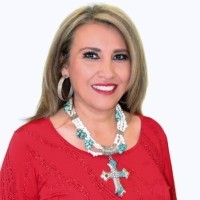 Dr. Jennifer Gomez-Chavez is the Vice President for Institutional Engagement at Excelencia in Education, one of the nation’s leading organizations advancing Latino student success and institutional transformation. A native New Mexican from the rural farming community of Hagerman, she brings over 30 years of experience serving first-generation, low-income, rural, and underrepresented students through her work with the LULAC National Educational Service Centers and the University of New Mexico. She also led UNM’s first Title V grant. At Excelencia, she facilitates a national network of institutions and practitioners, leads engagement strategies for emerging HSIs, and supports policy and practice alignment to transform systems to be intentionally responsive to Latino students and communities. Her work speaks to critical statewide and national priorities including rural equity, Hispanic Education Act efforts, Martinez–Yazzie responsiveness, the evolving role of Hispanic-Serving Institutions, and culturally grounded approaches that promote student and community success across the full career span.
6pm – 8:00 pm
Launching of Hispanic Heritage Month – Old Town Albuquerque
Invitation to Registrants, Open to the Public
All Day
Ofrenda/Altar available (Ofrenda Healing and Sacred Offering Space) – Piñon Room
La Feria de Salud (Conference Exhibitors) – Exhibit Hall
7:00 am – 10:00 am
Registration – Embassy Suites Foyer
7:00 am – 8:30 am
Breakfast – Embassy Suites Foyer
8:30 am – 10:00 am
Welcome and Keynote Addresses – Sandia Ballroom
Fred Sandoval, MPA
NLBHA Chief Executive Officer
Fred has over 34 years professional experience in health and human services. Fred served as the President of the National Latino Behavioral Health Association, where he currently works as the Executive Director. He served as a member of the SAMHSA Health Care Reform Community of Practice advising on effective outreach and enrollment of uninsured Latinos. Fred served on the National Council of La Raza Affiliate Council. He was formerly appointed by Governor Bill Richardson as the Deputy Secretary of Health and Income Support Division Director for the State of New Mexico and was the alternate to the U.S.-Mexico Border Health Commission. He served as First Vice President of the National Alliance on Mental Illness (NAMI) in Arlington, VA. Fred worked as the Human Service Planning Supervisor for the City of Santa Fe overseeing CDBG and human services programs. Fred met with and participated in President George W. Bush’ announcement of the New Freedom Commission in Albuquerque, NM and served on the National Latino Mental Health Congress during the President Clinton administration. He has served on numerous national, regional and community boards, councils, commissions and committees. He is a nationally recognized trainer and consultant on culturally informed practices. He received his Masters in Public Administration from Northern Arizona University in 1992 and his Bachelors of University Studies from the University of New Mexico in 1980. He has received the SAMHSA Administrator Award, the Cerro Grande Fire Hero Award, the Con Alma Health Foundation Health Hero Award and numerous national recognition for his work in and with Latino communities. His technical skills include data research and analysis, program evaluation, planning and community needs assessments, policy research and analysis, program development, budget preparation, business planning, environment scans, survey development & administration, and technical report writing.
Fred Sandoval, MPA
NLBHA Chief Executive Officer
Fred has over 34 years professional experience in health and human services. Fred served as the President of the National Latino Behavioral Health Association, where he currently works as the Executive Director. He served as a member of the SAMHSA Health Care Reform Community of Practice advising on effective outreach and enrollment of uninsured Latinos. Fred served on the National Council of La Raza Affiliate Council. He was formerly appointed by Governor Bill Richardson as the Deputy Secretary of Health and Income Support Division Director for the State of New Mexico and was the alternate to the U.S.-Mexico Border Health Commission. He served as First Vice President of the National Alliance on Mental Illness (NAMI) in Arlington, VA. Fred worked as the Human Service Planning Supervisor for the City of Santa Fe overseeing CDBG and human services programs. Fred met with and participated in President George W. Bush’ announcement of the New Freedom Commission in Albuquerque, NM and served on the National Latino Mental Health Congress during the President Clinton administration. He has served on numerous national, regional and community boards, councils, commissions and committees. He is a nationally recognized trainer and consultant on culturally informed practices. He received his Masters in Public Administration from Northern Arizona University in 1992 and his Bachelors of University Studies from the University of New Mexico in 1980. He has received the SAMHSA Administrator Award, the Cerro Grande Fire Hero Award, the Con Alma Health Foundation Health Hero Award and numerous national recognition for his work in and with Latino communities. His technical skills include data research and analysis, program evaluation, planning and community needs assessments, policy research and analysis, program development, budget preparation, business planning, environment scans, survey development & administration, and technical report writing.
Rose Nelson
Vice-President, Molina Health Care
Dr. Susie Villalobos, Ed.D., M.Ed., CCTS-I
NLBHA Senior Director
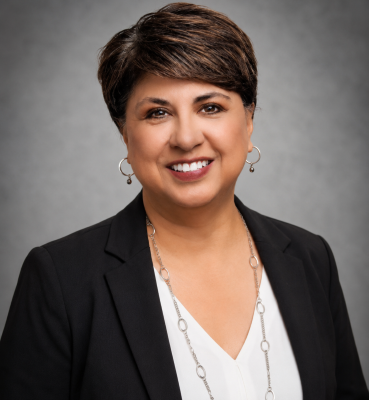 Dr. Susie Villalobos is an accomplished researcher, evaluator, and certified Clinical Research Associate with over 25 years of experience leading large-scale public health initiatives and community-based projects. She holds a doctorate from the University of Texas at El Paso, where she received the prestigious Graduate Excellence Fellowship Award during her final two years. Dr. Villalobos also holds a Master’s Degree in Educational Psychology with a focus in Community Counseling and is a Certified Clinical Trauma Specialist – Individual (CCTSI). In 2021, she graduated from the National Hispanic Latino Executive Leadership and Fellowship Program and received the Leadership in Impact award in 2023 at the NLBHA Behavioral Health Conference.
Dr. Villalobos specializes in designing and implementing rigorous evaluation frameworks that deliver measurable outcomes, particularly within underserved communities. Her extensive experience includes collaboration with prominent organizations such as the National Institutes of Health (NIH), National Institute on Alcohol Abuse and Alcoholism (NIAAA), Substance Abuse and Mental Health Services Administration (SAMHSA), and the Centers for Disease Control and Prevention (CDC), where she has led cross-border projects addressing health disparities. She applies her deep knowledge of grant management, stakeholder engagement, and policy analysis to each initiative, ensuring high-impact results.
As a former Regional Evaluator for the State of Texas, Dr. Villalobos has led high-impact projects across mental health and substance use prevention, applying evidence-based methodologies to assess program effectiveness. She has contributed significantly to the SAMHSA Strategic Prevention Framework, ensuring that data-driven approaches and cultural competence guide program development and delivery.
Fluent in both English and Spanish, Dr. Villalobos is committed to advancing equitable access to care for Latino populations, utilizing her certifications and expertise in trauma to foster community well-being. Her ability to translate complex data into actionable insights continues to empower organizations across the Southwest to enhance health outcomes and service delivery.
10:00 am – 10:15 am
Morning Break – Sandia Ballroom Foyer
10:15 am – 11:45 am
Morning Workshops
Across the United States, many youth are falling through the cracks of traditional systems as fear, mistrust, and uncertainty push them away from schools, health care, and social services. Youth from marginalized communities may be especially hesitant to seek help due to stigma, surveillance, or system involvement. This workshop explores culturally grounded, community-driven strategies for engaging youth who are disconnected or wary of formal systems. Drawing on examples from The Organization for Latino Health Advocacy and Mental Health America, participants will learn how trusted spaces, peer and family engagement, and real-time data from the National Prevention and Screening Program can create safer, lower-barrier pathways to prevention, mental health support, and care.
NAADAC CE / APA CME
Sierra I
About the Presenters
Dr. America Paredes
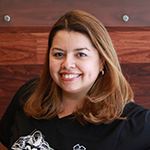 Dr. America Paredes is the Chief Social Impact Officer at Mental Health America (MHA) and a dynamic leader in the mental health field with over 20 years of experience expanding access to care, fostering inclusion, and addressing systemic barriers. She leads MHA’s approach to systems change through innovative partnerships, measurable impact, and community engagement. Dr. Paredes champions data-driven strategies that bridge communities with accessible mental health resources and guide meaningful, sustainable change. She manages cross-functional teams and oversees a broad portfolio of programmatic and philanthropic efforts, ensuring initiatives are grounded in cultural understanding and collective action.
Jeanette Contreras, MPP
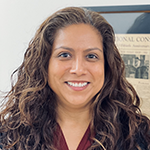 Jeanette Contreras is the founding Executive Director of the Organization for Latino Health Advocacy (OLHA), a national nonprofit empowering Latino communities across the U.S. to achieve better health through advocacy, education, and research. Before launching OLHA, she founded Latina Health Collab, a consulting firm focused on engaging diverse stakeholders in public policy advocacy. Jeanette has held leadership roles at major organizations like the Biotechnology Innovation Organization, UnidosUS, National Consumers League, and American Academy of Family Physicians. She also previously served over a decade in public service in the U.S. Department of Health and Human Services. Jeanette currently serves on the boards of the Hispanic Society for Rare Diseases and HealthyWomen. She holds a Bachelor’s in Political Science from California State University, Los Angeles and a Master’s in Public Policy from American University in Washington, D.C.
Power to the Parents / Poder Para los Padres is a bilingual, culturally responsive program designed to equip parents with the knowledge, skills, and confidence to support their children across the full continuum of behavioral health needs. This presentation highlights an integrated model combining evidence-based strategies from Community Reinforcement and Family Training (CRAFT) and Adolescent Dialectical Behavior Therapy (A-DBT). Participants will gain up-to-date information on substances of concern impacting Latino communities, alongside a practical overview of the neurobiological foundations of trauma and substance misuse. The program centers on parental empowerment, cultural strengths, and actionable tools that promote connection, resilience, and recovery within families.
Sierra II
About the Presenters
Brian Serna, LPCC, LADC
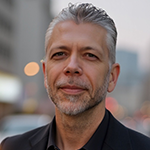 Brian Serna, LPCC, LADAC, is the CEO and Founder of Serna Solutions and an internationally recognized trainer, consultant, and keynote speaker in behavioral health, leadership, and systems change. He holds a BA in Psychology from New Mexico State University and an MA in Counseling from the University of New Mexico, with advanced certifications in Motivational Interviewing, CRAFT/CRA/A-CRA, DBT, and Contingency Management. Mr. Serna has trained and consulted across more than 20 U.S. states, five countries, and over 20 Tribal Nations, working at the intersection of clinical excellence, cultural humility, and organizational effectiveness. He serves on multiple state and national advisory bodies and has been appointed to gubernatorial and congressional mental health initiatives. His work integrates evidence-based practice, lived experience, and practical leadership strategies to drive measurable impact across healthcare and human-service systems.
Valeria Acevedo, MA, LMHC
 Valeria Acevedo, LMHC, is a Licensed Mental Health Counselor with experience working with children, adolescents, and adults. She holds a Master of Science in Clinical Mental Health Counseling from the University of Texas at San Antonio and is a certified Bilingual Counselor. Her client-centered, trauma-informed approach integrates evidence-based modalities including CBT, DBT, Motivational Interviewing, and EMDR. She works with individuals navigating anxiety, depression, trauma, substance-related concerns, relationship challenges, and major life transitions. Her focus is on fostering healing, resilience, and sustainable personal growth.
EMDR ha devenido un tratamiento efectivo y popular en el tratamiento, del reprocessmiento de eventos traumáticos, en dolencias como la ansiedad, trastornos compulsivos, episodios depresivos y/o adicciones. El uso en diversas poblaciones se ha estado validando con protocolos y recomendaciones aprobados por EMDRIA. Hoy quiero compartir nuestra experiencia de esta modalidad terapéutica basada en 15 años de su uso en la práctica clínica con la poblacion Latina en las ciudades gemelas. Estas modificaciones y/o variaciones de la ambientación lingüística e incorporación de elementos religiosos y creencias místicas están basadas en la sistemátizacion clínico empírica. Futuras validaciones estadísticas serán necesarias.
NAADAC CE / APA CME
Sierra III
About the Presenter
Dra. Damaris Perez Ramirez
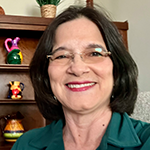 I am Clinical Psychologist originally from Cuba. I have been in practice for over 40 years. I was a professor of Medical Psychology at a University of Medical Sciences in Cuba. As a beginner full of dreams never imagined that life had unpredictable events waiting for. And one day I found myself living and practicing in Spain, still not the last stop in my destination. When I eventually moved to Minnesota, I chose to convert my degree and credentials which would allow me to continue my practice in mental health care settings. I obtained a Master Degree from University of Saint Mary in 2005 and i received a training in EMDR in 2009. I obtained the Licensed in Psychology in 2009. The journey that started from the scratch, working for nonprofits organizations, such as, Catholic Charities and American cancer Society did not end there. Sooner, i was full time psychotherapist at a Behavioral Health Department of Health Partners in Minnesota. Then I moved to a private practice in 2018 and became EMDR (Eye Movement Desensitization Reprocessing) Certified Therapist. Currently, I am working as a consultant and supervisor. I want to highlight that from the very beginning to very end, from the top to the lowest, my commitment to the immigrant population had been always the same.
This interactive workshop introduces healing justice and collective care as essential frameworks for supporting behavioral health providers and the communities they serve. Participants will explore how culturally grounded, community-centered practices can strengthen ethical care, resilience, and sustainability within clinical and organizational settings. Through reflection, dialogue, and interactive activities, the session highlights the distinction between individual self-care and collective care, emphasizing wellness as a shared responsibility. Grounded in New Mexico’s cultural and historical context, the workshop invites providers to reimagine healing as relational, accountable, and rooted in community.
NLBHA Affiliate
Ocotillo I
About the Presenter
Brenda Quiñonez Cortés, LCSW, MSW
 Brenda Quiñonez Cortés, LCSW, MSW, is a devoted mother, wife, and activist who with nearly 30 years of experience is committed to advancing healing justice, health equity, and thriving futures for BIPOC and Latinx migrant communities.
As Executive Director/a of El Puente de Encuentros, Brenda leads efforts to strengthen and diversify New Mexico’s behavioral health workforce through mentorship, leadership development, and culturally grounded training. Her professional background spans clinical social work, medical and school-based mental health, program leadership, higher education, and consulting in healing justice, anti-oppression, and racial equity.
This program provides a comprehensive framework for understanding and addressing the behavioral health needs of Latino populations through culturally and linguistically responsive practices. It emphasizes five key areas: specialty services and community collaboration, wellness and prevention, culturally appropriate care, workforce development, and theoretical applications within Latino contexts. Participants will explore substance use and mental health challenges. The curriculum highlights the Mattie Rhodes Center’s integrated model, incorporating the Social Determinants of Health and triage-based approaches to enhance access and early intervention. Emphasis is placed on tools such as the Columbia Suicide Severity Rating Scale (C-SSRS), psychoeducation, spirituality, and wellness-based interventions to reduce stigma and promote community engagement. Additionally, the program fosters professional growth through mentorship, workforce diversity, and leadership development, preparing practitioners to deliver equitable, culturally grounded behavioral health services that reflect and empower Latino communities
Ocotillo II
About the Presenter
Monica Sierra-Mayberry, LCSW
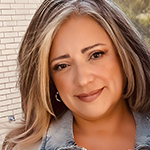 Monica Mayberry, MSW, LCSW has dedicated 26 years to the field of social services, with a strong focus on advocacy, education, and community collaboration. Throughout her career, she has trained hundreds of medical and criminal justice professionals on issues related to domestic violence and on effectively serving limited English–proficient and immigrant populations. Monica played a key role in assisting the Kansas City Police Department with the development and implementation of the Lethality Assessment Screen Protocol, a tool still used today in partnership with the local domestic violence shelter to enhance victim safety and response. Her leadership extends to numerous committees and initiatives addressing barriers to mental health access within immigrant communities. She has provided guidance to the Community Coordinated Response Team, serves on the Equity and Access Committee, and contributes to improving systemic responses for individuals and families impacted by domestic violence. Monica currently serves as the Director of Community Behavioral Health Services at the Mattie Rhodes Center, where she continues her commitment to advancing equitable, trauma-informed care and strengthening community well-being.
Latino behavioral health is shaped by a complex interplay of individual psychological factors, deeply rooted cultural norms, and pervasive systemic inequities. This panel highlights the intra-group heterogeneity of the Latino population by utilizing an intersectional lens to examine how distinct subgroups—including immigrant men, Hispanic mothers, LGBTQ+ individuals, and farmworking communities—navigate unique behavioral health challenges. The session begins with an analysis of how individual-level cognitive processes, such as alcohol outcome expectancies and traditional gender norms (machismo), drive substance use in immigrant men. It then shifts to the interpersonal and systemic level, exploring how Hispanic mothers utilize coping mechanisms in response to the distinct stressors of general life versus systemic discrimination. Finally, the panel bridges these findings with a community-wide assessment of the “SAVA” (Substance abuse, Violence, and AIDS/HIV) syndemic, highlighting how localized data reveals unique vulnerabilities that national trends often overlook. By integrating longitudinal analysis, mediation modeling, and community-based participatory research (CBPR), this panel provides a holistic framework for developing culturally grounded, systemic-level interventions that address the root causes of health disparities in diverse Latino communities.
La Ventana
About the Presenters
Mariana Sanchez, PhD, MSW – Moderator
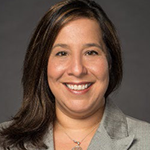 Dr. Mariana Sanchez is an Associate Professor and Assistant Chair in the Department of Health Promotion and Disease Prevention at the Robert Stempel College of Public Health and Social Work at Florida International University (FIU). She also serves as Associate Director of the Center for Research on U.S. Latino HIV/AIDS and Drug Abuse (CRUSADA), as well as Director of FIU’s Population Health Initiative and Health Disparities Initiative. Dr. Sanchez’s program of research focuses on understanding how sociocultural determinants influence substance use and related behaviors among marginalized Latino/a populations, including recent immigrants, unauthorized immigrants, and farmworkers. Over the past decade, she has maintained continuous funding from the National Institutes of Health (NIH), supporting her work on longitudinal, community-based studies examining socio-cultural influences on pre- to post-immigration alcohol use trajectories among young adult Latino/a immigrants. She has authored over 100 peer-reviewed publications, with a primary focus on the role of cultural and contextual factors in shaping alcohol use, sexual risk behaviors, and mental health outcomes among diverse Latino/a immigrant populations.
Miracle Macias Burgos
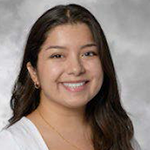 Miracle Macias is a third year PhD student in University of Arizona’s Clinical Translational Sciences program. She earned her Master’s in Psychological Sciences from Northern Arizona University and as well as Bachelor’s degrees in Biology and Psychological Sciences. Miracle’s past research has focused on discrimination among immigrant Latine parents and alcohol use outcomes, today her research is focused on the perinatal period and substance use outcomes derived from allostatic load among Latina individuals. She continues to focus on Latine health outcomes and improving substance use interventions within communities like her own.
Yajaira Cabrera Tineo, PhD, MS
 Dr. Cabrera Tineo is a Postdoctorate Associate at The Center of Research on US Latino HIV/Drugs Abuse (CRUSADA), Robert Stempel College of Public Health & Social Work, Florida International University. She completed her doctoral studies in Counseling Psychology and a Graduate Certificate in Health Disparities at the University at Albany – State University of New York (SUNY Albany). She also received her Master of Science in Counseling Psychology at SUNY Albany and her undergraduate degree in Forensic Psychology at John Jay College of Criminal Justice – City University of New York. Her research focuses on examining social determinants of health and health risk behaviors predominantly among the Latino/a community in the United States to inform culturally-responsive preventative efforts and treatment interventions. Trained in a scientist-practitioner model, Dr. Cabrera Tineo has extensive clinical experience, with her having completed a trauma-informed clinical post-doctoral fellowship in private practice and pre-doctoral training in a variety of health settings, including a community center, college counseling, and private, state, and federal hospitals.
Gira J. Ravelo, PhD, MSW, MBA
 Dr. Gira J. Ravelo is an Associate Research Professor with CRUSADA at the Robert Stempel College of Public Health and Social Work and Assistant Director of the Population Health Initiative in the Office of Research and Economic Development (ORED) at Florida International University. Her interdisciplinary academic foundation—comprising a Ph.D. in Social Welfare, an MSW, and an MBA, with an undergraduate degree in Psychology from the University of New Mexico—informs her comprehensive approach to population health research.
Dr. Ravelo’s research trajectory has established her expertise in intergenerational health, social determinants of health, and community-based participatory research (CBPR). Her work is defined by a commitment to tackling health disparities among vulnerable Latinx populations, with an emphasis on the intersectional risks associated with the SAVA syndemic (Substance Abuse, Violence, and HIV/AIDS) and mental health. As a leader in digital health innovation, Dr. Ravelo has established an independent research agenda centered on leveraging technology to create scalable prevention strategies. This includes pioneering the use of her institute’s first mobile health (mHealth) application technology, SALVA, which addresses complex social determinants and improves community access to substance abuse prevention, violence intervention, and mental health services.
12:00 pm – 1:00 pm
Lunch & Raffle Drawings – Sandia Ballroom
1:00pm – 2:30 pm
Afternoon Workshops
This session will provide an overview of the history of the ACE study and its application in medical and behavioral health settings. Included in the consideration will be how unique stressors to the Latino population such as immigration, discrimination, poverty and family separation leading to increased risks. Participants will gain an understanding of the neuroscience behind why childhood experiences matter, allowing them to integrate trauma-informed care and lead others to do the same. We will deepen our understanding of how becoming ACE-aware builds resilience in our work, both individually and as part of a community.
Sierra I
About the Presenter
Lucila Beaton, LISW-CP, LCSW, LCSW-C
 Lucila Beaton, LISW-CP, LCSW, LCSWC graduated with an MSW degree from Yeshiva University. She is an independently licensed clinical social worker with a specialization as a Trauma Focused Cognitive Behavioral Therapist. She is also a Certified Mental Health First Aid Instructor for the National Council of Behavioral Health, and a trainer for Living Works providing suicide intervention and prevention training such as ASIST and Safe Talk. She also provides parent trainings in English and Spanish.
She is bilingual and bicultural and embraces the intersectionality of being an Afro-Latina and all that it brings. She never forgets that she began her career as an ESOL student in the public school system in Brooklyn, NY. She is a proud mother and grandmother and enjoys pickle ball and spending time in Honduras with her husband.
This workshop explores the concept of Healing Spaces as culturally responsive environments that support emotional, mental, and physical well-being within Latino communities. Participants will examine Circles of Care as collective healing practices rooted in cultural humility, community connection, and shared responsibility, addressing stigma, shame, and barriers to behavioral health support. The session also provides practical, scalable strategies for designing, implementing, and sustaining Wellness Rooms in community, school, and organizational settings. Emphasizing prevention, peer support, and community resilience, this workshop equips participants with actionable tools to strengthen behavioral health outcomes and foster collective healing in Latino communities.
Sierra II
About the Presenters
Enrique Lopez-Escalera, JCL, STL, LMSW
 Enrique was born in El Paso, Texas and raised in Cd. Juarez, Mexico. Since the age of nine he has resided in New Mexico, except for a few years living in Rome, Italy where he pursued post graduate education. He deeply identifies with the Borderlands. He is fully bilingual and bi-cultural.
He is a life coach. In 2021 he established his own agency, Gemas de Vida, LLC. He has post-graduate degrees in Social Work, Canon Law, and Theology, with a minor in Philosophy. He has 25+ years of experience of serving people directly in southern New Mexico through pastoral work. His range of experience includes spiritual counseling and mentoring in mental and behavioral health.
He is a master trainer. His delivery method is characterized by professionalism, warmth, and simplicity – communicating important concepts in easy-to-understand terms.
He is a servant leader. His passion is serving the most vulnerable populations of the community.
Elizabeth Rodriguez Diaz, BA
 Elizabeth Rodriguez Diaz is a native of Los Angeles, CA. After graduating high school, she went on to pursue a Bachelor of Arts degree in Sociology with an emphasis in Social Justice and Social Welfare at California State University, Northridge. Upon graduating, Elizabeth focused her career to support and empower underserved and economically disadvantaged communities of color. Serving as an AmeriCorps Volunteer, Elizabeth strengthened communities through different sectors. She enhanced student access to higher education for first generation high school graduates and assisted self represented litigants navigate family law matters at The Superior Court of California County Los Angeles. Most recently, Elizabeth has worked with Central City Neighborhood Partners, a highly impactful non-profit, in implementing their SAMHSA funded Minority Aids Initiative project in delivering an evidence based prevention intervention program for youth and young adults where her passion for substance misuse prevention has grown. She is now seeking to keep growing and developing in the field of substance prevention to promote and work towards healthier and stronger communities.
Healthcare workers are often portrayed as selfless, resilient, and self-sacrificing (Stanley et al., 2022). This heroization creates labor expectations that exacerbate burnout and compassion fatigue. Healthcare systems working with underserved populations are frequently under-resourced, understaffed, and funding-dependent, relying on workers’ sacrifices and cultural values such as familismo to sustain care (Flores et al., 2009; Singh et al., 2020). This presentation: 1) examines how systemic failures and provider heroization harm worker wellbeing, thereby contributing to compassion fatigue; and 2) explores adaptive, systems-level strategies for change without placing responsibility solely on individual self-care or work–life balance.
NLBHA Board Member, NAADAC CE / APA CME
Sierra III
About the Presenters
Yolanda Rodriguez, Ph.D., NLBHA Board President
 Dr. Yolanda Rodriguez is a licensed clinical psychologist and national leader in Latino behavioral health equity. She earned her doctoral degree in Clinical Psychology from the University of Mississippi and completed her postdoctoral fellowship at Cherokee Health Systems, gaining specialized expertise in integrated and community-based care.
With over a decade of experience spanning community mental health, federally qualified health centers, nonprofit organizations, and federal agencies across the country, Dr. Rodriguez has built a career rooted in expanding access to culturally responsive care. Her work has included direct service to immigrant and refugee populations, and has been a consistent voice for systemic change in Latino behavioral health workforce development.
As President of the National Latino Behavioral Health Association, she brings both clinical depth and strategic vision to advancing health equity at the national level. Dr. Rodriguez also maintains a private practice in South Texas, where she provides bilingual psychotherapy and psychological assessment services to adults. She also serves as a consultant for Latino-led organizations and higher-level education institutions.
Arnoldo Amador, MA
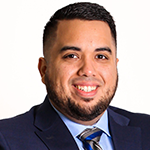 Arnoldo “Arnold” Amador, MA, is an applied research, evaluation, and consulting professional with extensive experience supporting behavioral health, public health, education, and community-based initiatives in Texas and across the country. He earned his master’s degree in Experimental Psychology from the University of Texas Rio Grande Valley, where he developed a foundation in research design, measurement, and applied data analysis. Over the past eight years, he has worked across academic institutions, public systems, nonprofit organizations, philanthropic initiatives, and federally funded projects, remaining committed to using evaluation as a tool for learning, accountability, and meaningful program improvement.
Throughout his career, he has been drawn to work that sits at the intersection of systems, services, and community experience. His evaluation work has helped programs better understand the needs, strengths, and perspectives of the people they serve, while supporting thoughtful planning, reporting, and continuous improvement. He approaches evaluation with a focus on rigor, cultural responsiveness, and practical use, ensuring that findings are not only accurate, but meaningful to the communities and systems they are intended to support.
He is especially invested in advancing culturally and linguistically responsive evaluation practices for Latino communities and other historically marginalized populations. As a conference presenter, he brings an applied evaluation lens grounded in equity, accessibility, and the belief that data should help programs better understand community experiences, strengthen services, and support more responsive systems of care.
ATLAS is a peer-informed data and engagement platform designed to support individuals with substance use and co-occurring mental health conditions across diverse service contexts. Integrating peer recovery support with structured data collection, ATLAS tracks recovery capital, behavioral health indicators, service engagement, and stages of change to inform real-time, person-centered care. This presentation explores how ATLAS enhances peer practice, improves continuity across clinical, carceral, and community settings, and supports predictive identification of risk and recovery trajectories. Findings demonstrate how peer-driven data systems can strengthen outcomes, accountability, and equity within recovery-oriented systems of care.
Ocotillo I
About the Presenters
Christopher Bailey, RSPS, PSS, TE, MA
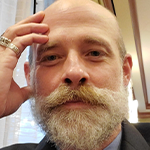 Christopher Bailey is a person in long-term recovery and a Peer Recovery Support Specialist with nine years of experience building and leading peer-driven substance use disorder services. He is a Project Coordinator at Project Vida Health Center and convener of the Paso del Norte Recovery-Oriented System of Care, where he helps design, manage, and scale integrated SUD and recovery programs. Christopher has served in multiple state and national leadership roles, including chairing the Texas Recovery Action Workgroup, advising the Texas Health and Human Services Commission, and serving on SAMHSA’s Region 6 Peer Advisory Council. Recognized as a national expert in peer recovery, he consults with agencies at the local, state, and national levels and has presented widely, including for academic institutions, national conferences, and international partners. He holds a BA in Psychology and Philosophy, an MA in Analytical Philosophy, and additional certifications in peer supervision, herbal medicine, and outdoor leadership.
Fernando J. González-Maese, MD, MPH
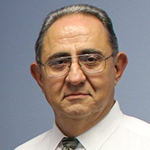 Fernando González-Maese is a seasoned public health professional and epidemiologist who served as Lead Epidemiologist for the El Paso Department of Public Health from 2010 through 2021, where he oversaw epidemiologic surveillance, outbreak response, and community health data systems. He played a key role in directing El Paso’s infectious disease monitoring and response strategies, including coordination of contact tracing and public health communication during the COVID-19 pandemic. Fernando’s work involved collaborating with local, state, and regional partners to strengthen disease prevention infrastructure and improve public health outcomes across the Paso del Norte region. Prior to his leadership in El Paso, he developed extensive experience in epidemiological methods and applied public health practice. He continues to advocate for evidence-based public health approaches and community health equity through consulting, education, and professional engagement in epidemiology.
Rigoberto I. Delgado, PhD, MBA
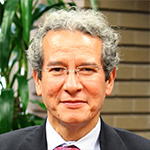 Dr. Rigoberto Delgado is an Associate Professor at the University of Texas Health Science Center at Houston, McWilliams School of Biomedical Informatics. Dr. Delgado is health economist specialized in applied health services research, cost-effectiveness methods, population health analytics (including geospatial and non-structure data analysis), and optimal allocation of public health resources. Dr. Delgado has received research funding from multiple sources including the National Science Foundation, the US Department of Defense, and the Health and Human Services/Food and Drug Administration. His project on mobile clinic routing optimization, highlighted by the NSF in 2018, offered the very first model in the country for enhanced delivery of mobile clinic care across geographic regions using advanced data analytics and data mining modeling. Outside of academia, Dr. Delgado advises public health institutions in the development of risk assessment models to optimize allocation of public health resources. He also provides consulting on economic impact analysis to healthcare organizations in the US and institutions in Latin American, Africa, the Middle East, and England. Dr. Delgado is bilingual (English/Spanish) and is a Fulbright Specialist. He has extensive experience working with minority populations and global health issues.
MiA – Mujeres in Action is the first organization in the Spokane region dedicated to serving survivors of domestic and sexual violence in Latine communities. Our region is the second most populous in Washington state. About 8% of the population (based on the last census) identifies as Latino/Hispanic. MiA began in 2018 when the founder realized there was a gap in culturally responsive services for Spanish-speaking survivors of domestic violence and/or sexual assault. Since then, MiA has strived to close gaps in specialized services for the Latine community. After much effort and locating the needed funding, the state approved MiA as a Behavioral Health Agency, which allowed us to develop the much-needed services. In 2025, MiA started offering specialized behavioral health services for survivors in their native language. Even though we are new providers, our staff is not new to the behavioral health field. We would like to share with all of you our efforts, development, learning process, and recommendations for others interested in closing service gaps in your communities.
Ocotillo II
About the Presenters
Dr. Hilda Caquias, PsyD
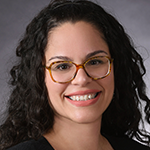 Dr. Hilda Caquias was born and raised in Ponce, Puerto Rico. She is the middle child of three sisters. Grew up in a neighborhood with both of her parents, a huge family, and surrounded by nature as a playground. Her roots were humble, but in her house, there was always food and time together. She has two adult, wonderful children who are her all. Dr. Caquias obtained her doctorate in clinical psychology at the Ponce School of Medicine and Behavioral Sciences in Puerto Rico in 2010. She is a licensed mental health counselor and clinical supervisor certified in Washington State, a licensed psychologist in Puerto Rico, and is certified to provide services in English and Spanish. Her special interests include prevention and intervention of violence, trauma recovery, women’s and minorities’ issues, LGBTQ+ community, immigration, and social injustices, integrated care, holistic approaches, and promoting a healthy lifestyle. Dr. Caquias bases her therapeutic approach on the biopsychosocial model, which emphasizes holistic care and uses evidence-based therapies. She passionately believes that educating patients and providing proper techniques are key to improving symptoms and self-perception. Dr. Caquias facilitates the therapeutic process by working with the patient as an expert on themselves and promoting opportunities to seek and find more permanent and relevant alternatives.
Monica Rey Serantes
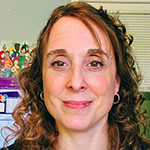 Monica Rey Serantes is a licensed psychologist from Argentina with over two decade of experience in mental health. She holds a master’s degree in Human Resources and is certified as a counselor by the Washington State Department of Health. In addition, she is a trained Somatic Practitioner and is currently pursuing a Master’s in Counseling in the United States.
Monica specializes in evidence-based practices, integrating cross-cultural and holistic approaches to promote well-being. She works within a trauma-informed framework, supporting crime victims—particularly survivors of sexual assault and domestic violence. Deeply committed to fostering resilience and healing, she empowers individuals through compassionate, client-centered care.
Description Coming Soon
La Ventana
About the Presenters
Fred Sandoval, MPA
NLBHA Executive Director
Fred has over 34 years professional experience in health and human services. Fred served as the President of the National Latino Behavioral Health Association, where he currently works as the Executive Director. He served as a member of the SAMHSA Health Care Reform Community of Practice advising on effective outreach and enrollment of uninsured Latinos. Fred served on the National Council of La Raza Affiliate Council. He was formerly appointed by Governor Bill Richardson as the Deputy Secretary of Health and Income Support Division Director for the State of New Mexico and was the alternate to the U.S.-Mexico Border Health Commission. He served as First Vice President of the National Alliance on Mental Illness (NAMI) in Arlington, VA. Fred worked as the Human Service Planning Supervisor for the City of Santa Fe overseeing CDBG and human services programs. Fred met with and participated in President George W. Bush’ announcement of the New Freedom Commission in Albuquerque, NM and served on the National Latino Mental Health Congress during the President Clinton administration. He has served on numerous national, regional and community boards, councils, commissions and committees. He is a nationally recognized trainer and consultant on culturally informed practices. He received his Masters in Public Administration from Northern Arizona University in 1992 and his Bachelors of University Studies from the University of New Mexico in 1980. He has received the SAMHSA Administrator Award, the Cerro Grande Fire Hero Award, the Con Alma Health Foundation Health Hero Award and numerous national recognition for his work in and with Latino communities. His technical skills include data research and analysis, program evaluation, planning and community needs assessments, policy research and analysis, program development, budget preparation, business planning, environment scans, survey development & administration, and technical report writing.
Little Joe Hernandez
Five Time Grammy Award Winner
 Little Joe & La Familia, established in 1959 by José María de León Hernández (Little Joe), is a renowned Tejano band known for its unique blend of norteño, country, blues, and rock-and-roll. Originating as Little Joe and the Latinaires, the band gained popularity in the 1960s, evolving into a leading force in the Tejano music scene. Their commitment to cultural and political issues, notably during the Chicano movement, is reflected in their name change to Little Joe & La Familia.
The band’s significant influence during the La Onda Chicana period is highlighted in their successful albums like “Para la Gente” (1972), which showcased a mix of ranchero and jaitón traditions. Known for their large audience appeal, they performed at major venues and festivals across the United States. Little Joe’s contributions to Texas music have been recognized with awards including a Governor’s Award and a Smithsonian Lifetime Legend Award. The band has won several Grammys, including Best Mexican American Album in 1991 and Best Tejano Album in 2008 and 2011, marking their lasting impact on the Tejano music genre.
2:30 pm – 2:45 pm
Afternoon Break – Sandia Ballroom Foyer
2:45 pm – 4:00 pm
Afternoon Workshops
Nonprofits serving Latino, immigrant, and multilingual communities face a persistent communication gap that directly affects behavioral health access. Traditional outreach—email, social media, and printed materials—often fails to reach individuals who need timely, clear, and culturally grounded information to support their mental well‑being. Health Care UnTold will share insights from responding to local emergencies and developing an affordable bilingual SMS text service designed to reduce stress, increase access to behavioral health resources, and improve client engagement. This session will highlight how simple, accessible technology can strengthen connection, trust, and continuity of care for communities historically excluded from digital communication systems.
Sierra I
About the Presenters
Barbara Garcia, MPP
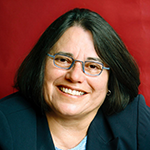 Barbara Ann Garcia has been a Community and Public Health leader for over 30 years. Presently she is the CEO of HealthCare UnTold, LLC a health multimedia and productions company focused on vulnerable communities, where she co-hosts the HealthCare UnTold podcast and InformaText a SMS text service for nonprofit organizations. Barbara Garcia served 22 years with the San Francisco Health Department, including eight as Director of Health, overseeing a $3 billion budget and 8,000 employees across two hospitals, more than 20 clinics, and the city’s public health division. She led major initiatives addressing homelessness, behavioral health, and violence, expanding services such as respite and sobering centers, intensive case management, homeless outreach teams, and supportive housing. Before San Francisco, Barbara was Associate AIDS Administrator at SAMHSA and spent 15 years serving farmworker communities in Watsonville, where she co‑founded and directed Salud Para La Gente. She was recognized by the Robert Wood Johnson Foundation for her leadership after the 1989 Loma Prieta earthquake. She holds a B.S. from UC Santa Cruz, an M.P.A. from the University of San Francisco, and honorary doctorates from CIIS and USF for her contributions to health equity and community service.
Dr. Gerardo Sandoval
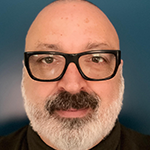 Dr. Gerardo Sandoval is the Co-founder and Chief Operating & Financial Officer of HealthCare UnTold and InformaText. With over 15 years of experience in the nonprofit sector, he oversees operations, finances, and technology development to strengthen health and social service communication. Gerardo has produced media content, including podcasts and radio programs, and helped design InformaText’s infrastructure to meet industry standards for nonprofit SMS communication and outreach.
Las promotoras transformamos comunidades rurales ganando confianza, educando sobre salud física y conductual, rompiendo el estigma y empoderando familias. Con apoyo de colegas, agencias y líderes, construimos comunidades resilientes y nos cuidamos a nosotras mismas para seguir adelante fuertes, unidas y comprometidas con un cambio real y duradero.
Sierra II
About the Presenters
Josie Mendoza, CCHW, NM-TX
 Josie Mendoza is a Certified Community Health Worker and Promotora with eight years of experience serving rural communities in Southern New Mexico and Texas. She has dedicated her career to empowering underserved populations through health education, outreach, and advocacy. Josie has been actively involved as a member of several boards in both Texas and New Mexico, contributing her expertise to community initiatives. For the past five years, she has worked with the University of Texas at El Paso, collaborating closely with other universities across New Mexico. Her work reflects a deep commitment to improving community health and building partnerships that promote lasting change.
Maria Retana, CCHW, NM-TX
 Maria Retana is a Certified Community Health Worker and Promotora with eight years of experience serving rural communities in Texas and Southern New Mexico. She presided as President of the Migrant Education Program in Texas for 6 yrs, and serves on the Certification Board for the New Mexico Department of Health. Maria has collaborated with various universities and organizations to strengthen community health initiatives across the border region. Her leadership and dedication have earned her several county recognitions in Doña Ana County. She is passionate about empowering families and promoting equitable access to health and education.
This workshop invites participants to rethink Latino behavioral health through a Wise Compassionate, culturally rooted lens. Using case examples from community, school, and clinical settings, the session shows how traditional healing, relational care, and Western behavioral health practices can be braided together to serve Latino youth, adults, and families. Participants explore a simple “bridging” framework, reflect on their own practice, and work with tools that honor cultura, language, and spirit. Attendees leave with concrete strategies and a 90 day plan for strengthening collaboration, cultural humility, and healing in their own settings.
Sierra III
About the Presenter
Dr. Felipe Mercado, MSW, PPSC
 Dr. Felipe Mercado, Ed.D., MSW, PPSC is a Professor of Social Work at Fresno State, a former K–12 principal and school counselor, and the founder of Wise Souls LLC, a consulting and training firm supporting healing-centered systems change across education and behavioral health. He is the bestselling author of Rethinking Education Together and A Journey to Compassion, which introduce the Wise-Compassionate Framework, a practical model for building cultures of dignity, trust, and measurable care. Dr. Mercado partners with districts and community teams, including multi-year work with Madera and Sanger Unified, to strengthen integrated school mental health, Tier 2 trauma supports, culturally grounded engagement, and educator wellness. His work centers lived experience, cross-sector collaboration, and community-rooted healing.
Colleges are often where students first confront serious mental health and substance use challenges, yet many Latino students face added barriers such as stigma, cultural misunderstanding, and limited access to supportive care. This workshop shares real-world, culturally responsive approaches to supporting mental health and recovery on college campuses, using the University of New Mexico Collegiate Recovery Center as a lived example. Presenters will discuss how peer support, trauma-informed care, and strong campus partnerships help students feel seen, supported, and connected. Through practical examples and lessons learned, participants will gain tools they can take back to their own institutions to better support Latino students navigating mental health and recovery.
Ocotillo I
About the Presenters
Liliana Spurgeon, CHW, CFPSW
 Liliana Spurgeon is the Program Coordinator for the University of New Mexico Collegiate Recovery Center and a bilingual Community Health Worker and Certified Family Peer Support Worker. She brings lived experience in recovery alongside professional expertise in developing culturally responsive mental health and recovery supports for college students, particularly within Latino and underserved communities. Liliana has led campus-based initiatives focused on peer support, harm reduction, and stigma reduction while collaborating across clinical, academic, and community systems. Her work centers equity-driven program design, community engagement, and the integration of cultural identity into behavioral health services. She is currently pursuing a Master of Public Administration to strengthen systems-level change in behavioral health and higher education.
Leila Zazueta, LCSW
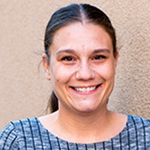 Leila Zazueta, LCSW is a licensed clinical social worker and Senior Counselor with the University of New Mexico’s Student Health and Counseling Center, where she provides culturally informed mental health care for diverse student populations. She holds a Master of Social Work from New Mexico Highlands University and a Bachelor’s degree in International Studies with a focus on Latin American and Spanish Literature, grounding her work in both clinical skill and cultural context. Leila began her career as a community organizer and has long been committed to social justice, bilingual practice, and grassroots engagement to improve behavioral health outcomes in New Mexico. She brings deep experience in trauma-informed care, culturally responsive counseling, and collaborative systems-based approaches to support student well-being. Leila’s work centers the voices and strengths of historically underserved communities in higher education to advance equity, resilience, and healing.
Generative artificial intelligence (GenAI) tools such as ChatGPT are rapidly entering behavioral health, research, and community-based practice settings. GenAI uses neural networks to learn patterns from existing data and generate new content. In this interactive workshop, participants will learn core GenAI concepts, explore practical applications, and examine key challenges and opportunities for responsible use.
Ocotillo II
About the Presenter
Adolph Delgado, Ph.D., M.Ed., M.S
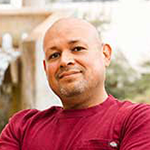 Adolph “AJ” Delgado, PhD, is an applied demographer and quantitative researcher known for translating complex data into clear, actionable insights. He is a Bridge to Faculty postdoctoral researcher in the Department of Public Health at the University of Texas at San Antonio, bringing nearly a decade of experience teaching quantitative methods, research design, and community-engaged work in Bexar County, Texas. His work centers on practical and responsible applications of generative AI—particularly ChatGPT—to enhance research workflows, teaching, evaluation, and workforce development. He has designed academic coursework and professional workshops that equip audiences with strategies for prompt development, managing AI limitations, and addressing ethical considerations. His sessions are designed to be engaging, applied, and immediately useful for academic, nonprofit, and professional audiences.
New Mexico is advancing a comprehensive approach to behavioral health reform through two complementary initiatives designed to improve public safety, expand access to treatment, and reduce unnecessary involvement in the justice system. This presentation will highlight the implementation of Senate Bill 3 (SB3), Behavioral Health Reform and Investment, which establishes a statewide framework for behavioral health system transformation through regional planning, infrastructure investment, workforce development, and cross-system collaboration, alongside New Mexico’s Competency Diversion Pilot Project, a judiciary-led initiative launched in 2024.
The Competency Diversion Pilot Project provides an alternative pathway for individuals with serious mental illness who may otherwise enter the competency evaluation and restoration process. Through coordinated, community-based treatment and support services, including the use of forensic navigators, the project seeks to reduce competency evaluations, address evaluation backlogs, improve health outcomes, and lessen the impact of justice involvement on individuals and families. Participants will gain insight into how statewide behavioral health infrastructure and court-based diversion strategies can work together to create more effective, equitable, and treatment-oriented responses to behavioral health needs. The session will explore implementation experiences, cross-branch collaboration, early system observations, and lessons learned that may inform similar efforts in other jurisdictions. Together, these initiatives demonstrate how judicial leadership can support sustainable behavioral health reform while advancing both public health and public safety goals.
La Ventana
About the Presenters
Stacey Boone
 Stacey A. Boone is the Senior Statewide Behavioral Health Manager of the New Mexico Administrative Office of the Courts. Throughout her career, she has worked to develop and implement programs at the intersection of criminal justice and behavioral health. She has experience working in nonprofit leadership, criminal justice case management, behavioral health case management and court programs focused on behavioral health issues. Ms. Boone has participated in many pilot projects advancing the work of behavioral health services and diversion options for those in the criminal justice system. Additionally, she has experience developing and enhancing collaborations with local and statewide partners across multiple agencies. She is a national speaker and currently serves as the Secretary of the National Council of State Court Behavioral Health Administrators. Her current focus is on breaking the stigma associated with behavioral health and increasing behavioral health equity for those that are justice involved and their families.
Pamela Trujillo
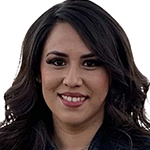 Pamela Trujillo serves as the Behavioral Health Integration and Reform Program Manager for the New Mexico Administrative Office of the Courts. She received her Bachelor’s Degree in Criminal Justice Studies, Cum Laude, from New Mexico Highlands University. Ms. Trujilo launched her career in the Judiciary in 2011 and has experience in standard probation, treatment courts, and criminal justice case management. She has collaborated with various stakeholders across different agencies and engaged in community outreach to raise awareness about substance use. Furthermore, she has experience collaborating with a range of behavioral health experts through her involvement with Senate Bill 3 – Behavioral Health Reform and Investment Act. Her commitment is focused on bringing about meaningful change and having a positive impact on New Mexico communities to eliminate the negative stereotypes surrounding substance use and behavioral health for all those impacted.
4:00 pm – 5:00 pm
Closing Plenary & Day 2 Reflections – Sandia Ballroom
Fred Sandoval, MPA
NLBHA Executive Director
Fred has over 34 years professional experience in health and human services. Fred served as the President of the National Latino Behavioral Health Association, where he currently works as the Executive Director. He served as a member of the SAMHSA Health Care Reform Community of Practice advising on effective outreach and enrollment of uninsured Latinos. Fred served on the National Council of La Raza Affiliate Council. He was formerly appointed by Governor Bill Richardson as the Deputy Secretary of Health and Income Support Division Director for the State of New Mexico and was the alternate to the U.S.-Mexico Border Health Commission. He served as First Vice President of the National Alliance on Mental Illness (NAMI) in Arlington, VA. Fred worked as the Human Service Planning Supervisor for the City of Santa Fe overseeing CDBG and human services programs. Fred met with and participated in President George W. Bush’ announcement of the New Freedom Commission in Albuquerque, NM and served on the National Latino Mental Health Congress during the President Clinton administration. He has served on numerous national, regional and community boards, councils, commissions and committees. He is a nationally recognized trainer and consultant on culturally informed practices. He received his Masters in Public Administration from Northern Arizona University in 1992 and his Bachelors of University Studies from the University of New Mexico in 1980. He has received the SAMHSA Administrator Award, the Cerro Grande Fire Hero Award, the Con Alma Health Foundation Health Hero Award and numerous national recognition for his work in and with Latino communities. His technical skills include data research and analysis, program evaluation, planning and community needs assessments, policy research and analysis, program development, budget preparation, business planning, environment scans, survey development & administration, and technical report writing.
8:00 pm – 10:00 pm
Baila Esta Cumbia: A Selena Tribute Experience – Sandia Ballroom
All Day
Ofrenda/Altar available and 9/11 healing ceremony altar – Piñon Room
La Feria de Salud (Conference Exhibitors) – Exhibit Hall
7:00 am – 10:00 am
Registration – Embassy Suites Foyer
7:30 am – 8:30 am
Breakfast – Embassy Suites Foyer
9:00 am – 10:00 am
Day 3 Plenary Session – Sandia Ballroom
Dr. J Rocky Romero, DSW, LMSW
NLBHA Senior Director
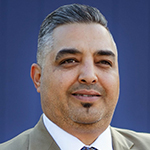 Dr. J Rocky Romero, LMSW is the CEO and owner of JR Romero & Associates, a company he started 23 years ago that focuses on behavioral health program development, program evaluation, consultation, and specialized training. He is currently a Program Director for the National Latino Behavioral Health Association (NLBHA). Dr. Romero completed his doctoral studies at the University of New Mexico in Language, Literacy and Sociocultural Studies (LLSS) with a focus on analyzing legal discourse related so Spanish colonization while applying a critical race theory lens. Dr. Romero was a doctoral fellow for El Centro de la Raza at the University of New Mexico during his doctoral studies where he also served as the President of the College of Education’s student Graduate Association in LLSS. Dr. Romero is a former Assistant Professor for New Mexico Highlands University School of Social Work in Albuquerque, NM. He served as the co-chair for Governor Richardson’s New Mexico Higher Education Cultural Competency Taskforce. Dr. Romero has also served as an Executive Council member for the NM-Consortium for Behavioral Health Training and Research to include many other boards and committees. Dr. Romero has been a trainer and consultant for the Substance Abuse and Mental Health Services Administration (SAMHSA) funded National Hispanic & Latino-Mental Health Technology Transfer Center for the last 13 years. In his role as a Technical Assistance expert for the NHL-MHTTC he has recently helped plan, develop, solicit local and national funding for the Northeast Regional Crisis and Treatment Center developed by San Miguel County in Las Vegas, NM.
Dr. Susie Villalobos, Ed.D., M.Ed., CCTS-I
NLBHA Senior Director
Dr. Susie Villalobos is an accomplished researcher, evaluator, and certified Clinical Research Associate with over 25 years of experience leading large-scale public health initiatives and community-based projects. She holds a doctorate from the University of Texas at El Paso, where she received the prestigious Graduate Excellence Fellowship Award during her final two years. Dr. Villalobos also holds a Master’s Degree in Educational Psychology with a focus in Community Counseling and is a Certified Clinical Trauma Specialist – Individual (CCTSI). In 2021, she graduated from the National Hispanic Latino Executive Leadership and Fellowship Program and received the Leadership in Impact award in 2023 at the NLBHA Behavioral Health Conference.
Dr. Villalobos specializes in designing and implementing rigorous evaluation frameworks that deliver measurable outcomes, particularly within underserved communities. Her extensive experience includes collaboration with prominent organizations such as the National Institutes of Health (NIH), National Institute on Alcohol Abuse and Alcoholism (NIAAA), Substance Abuse and Mental Health Services Administration (SAMHSA), and the Centers for Disease Control and Prevention (CDC), where she has led cross-border projects addressing health disparities. She applies her deep knowledge of grant management, stakeholder engagement, and policy analysis to each initiative, ensuring high-impact results.
As a former Regional Evaluator for the State of Texas, Dr. Villalobos has led high-impact projects across mental health and substance use prevention, applying evidence-based methodologies to assess program effectiveness. She has contributed significantly to the SAMHSA Strategic Prevention Framework, ensuring that data-driven approaches and cultural competence guide program development and delivery.
Fluent in both English and Spanish, Dr. Villalobos is committed to advancing equitable access to care for Latino populations, utilizing her certifications and expertise in trauma to foster community well-being. Her ability to translate complex data into actionable insights continues to empower organizations across the Southwest to enhance health outcomes and service delivery.
Dr. Manuel X. Zamarripa
Co-Director and Co-Founder of the Institute of Chicana/o/x Psychology
Manuel X. Zamarripa is the co-director and co-founder of the Institute of Chicana/o/x Psychology based in Austin, TX where he conducts community workshop platicas as well as professional development training for educators and mental health professionals on issues related to Chicana/o/x wellness, cultural identity, and mental health from a Chicana/o/x framework. Manuel’s publications and presentations in psychology and education focus on Chicana/o/x well-being, racial responsiveness, cultural revitalization, social justice and leadership. Chicano Psychologist, Dr. Zamarripa, is a licensed professional counselor and supervisor (Texas) and received his doctorate in Counseling Psychology from the University of Wisconsin-Madison, his master’s in Counseling Psychology from Our Lady of the Lake University, and his bachelor’s in psychology from the University of Notre Dame.
10:00 am – 10:15 am
Morning Break – Sandia Ballroom Foyer
10:15 am – 11:45 am
For this presentation, we will discuss the definition of Curanderismo and the contribution of three great curanderos that had an influence in both the United States and Mexico. We will cover existing models of integrated health in education and healthcare services in Mexico and a concentration in a tribal college Mexico, Universidad Intercultural, in San Felipe del Progreso, Estado de Mexico. We will finish with a presentation on latest publications on this topic and a proposal to replicate this integrated health model in the United States.
Sandia Ballroom
About the Presenters
Dr. Cheo Torres
Eliseo “Cheo” Torres has taught classes on traditional medicine, and regularly lectures and gives presentations on the history and lore of Curanderismo to audiences ranging from scholars and students of Latin American culture to people hoping to become knowledgeable about integrated and traditional medicine, including lay people and medical professionals alike. Dr. Torres has published eight books on traditional medicine emphasizing medicinal plants and rituals published by the University of New Mexico Press, Community Press and Kendall Hunt Publishing Company.
Dr. Mario Del Angel Guevara
Dr. Mario Del Angel Guevara is a bicultural, bilingual and biliterate researcher, Assistant Professor and author on Hispanic/Indigenous traditional medicine topics and the Spanish language in New Mexico. He is a native of Monterrey, Mexico who has deep connections to New Mexico through his academic, professional and personal life. Dr. Del Angel Guevara has an extensive history and commitment in the state and has made significant contributions to the understanding and preservation of Hispanic/Chicano New Mexican culture and its Spanish varieties. Dr. Mario Del Angel Guevara has authored and co-authored multiple articles on Curanderismo traditional medicine in Mexico and the United States. He has a certificate on traditional medicine from school CEDEHC in Cuernavaca, Mexico, two certificates on Spanish-English medical translation and interpretation by the University of Arizona, a Bachelor’s degree in bilingual education from Universidad Autonóma de Nuevo León in Mexico, and a M.A. and PhD in Hispanic linguistics from the University of New Mexico in the United States where he has taught several courses on topics relevant to the region including Curanderismo traditional medicine, Medical Spanish and Spanish as a second and heritage language. As Director of the Curanderismo Traditional Medicine without Borders program, he is a key figure in studying and preserving traditional healing practices in the region through his leadership at the University. His work on Curanderismo in Mexico and the U.S. southwest and on the traditional Spanish varieties of northern New Mexico are examples of his deep academic interest and dedication to the cultures and peoples of New Mexico.
12:00 pm – 1:00 pm
Raffle/Lunch – Sandia Ballroom
1:00pm – 2:30 pm
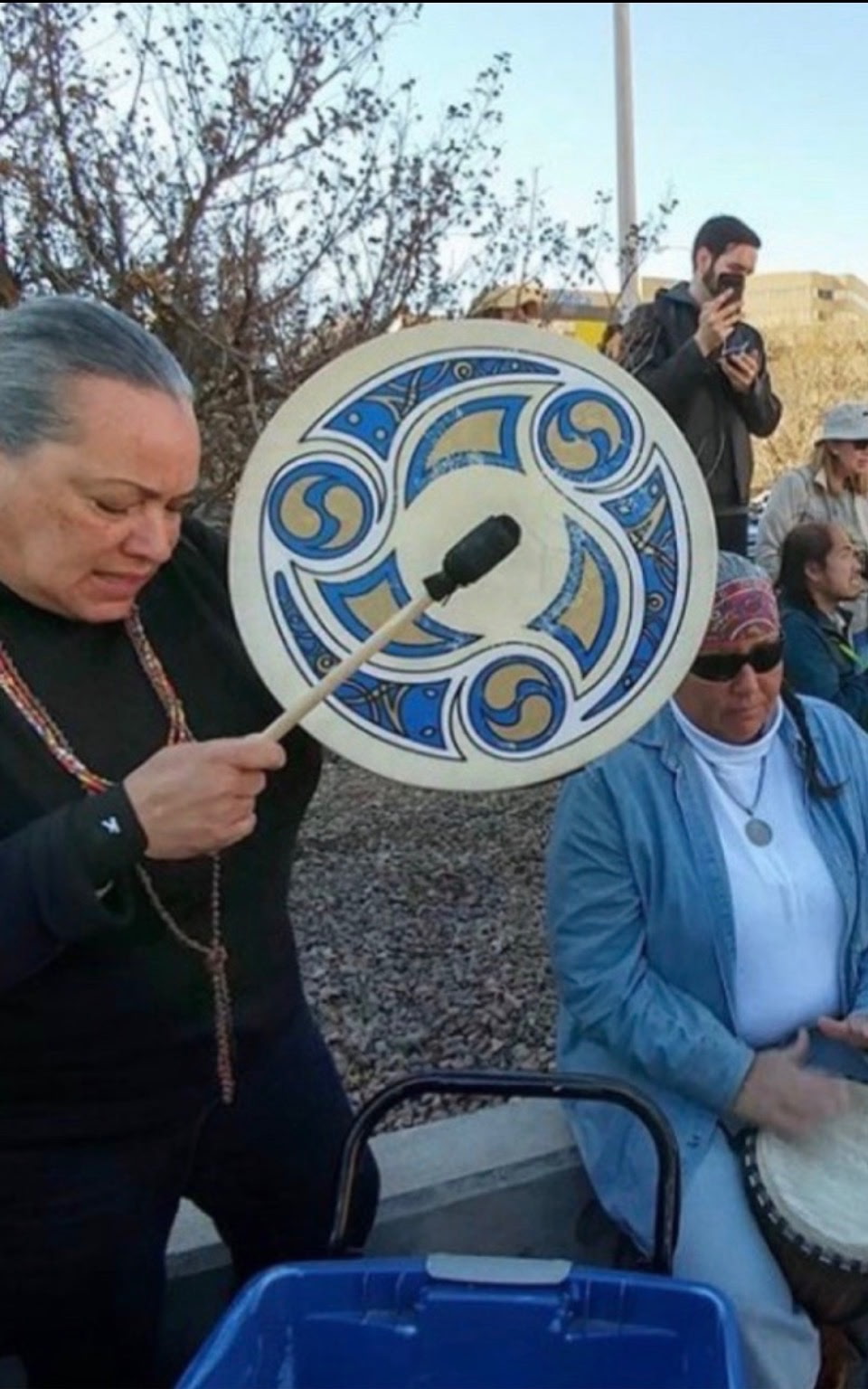 In this experiential session, participants are encouraged to participate in a drumming activity as drummers or observers to learn about the therapeutic value of a culturally defined practice. Participants can bring drums to engage in a traditional activity found in indigenous communities throughout the Americas and in dating back to the Pre-Columbian era. The collective drumming session will be facilitated by a traditional drummer who will lead the drumming circle to create a collective drum beat to create an energy centered experience.
Sandia Ballroom
About the Presenters
Elisa Lucero and Katherine Vega
At Ancestors Drum, we unlock the ancient power of rhythm to foster profound community connection and healing. Our sessions are guided by Elisa Lucero and Katherine Vega, seasoned facilitators whose combined decades of experience infuse every circle. Elisa brings powerful traditional songs, profoundly influenced by her sacred Lakota Sundance journey, while Katherine’s personal path highlights the drum’s capacity for deep introspection and healing.
The drum is a universal invitation, not merely an instrument. It connects us to our innate pulse, unifying us with fellow participants and the very heartbeat of Mother Earth. This inclusive practice transcends words, cultivating authentic expression and a powerful sense of belonging.
Ancestors Drum has facilitated hundreds of diverse gatherings. Our work consistently demonstrates rhythm’s unique ability to transcend barriers and ignite the human spirit. Join us to experience the joy and shared rhythm that celebrates life and opens doors to profound healing.
2:30 pm – 2:45 pm
Afternoon Break – Sandia Ballroom Foyer
2:45 pm – 4:00 pm
Afternoon Workshops
Lotería de Salud Mental is a culturally grounded, interactive tool designed to make mental health conversations more accessible within Latino communities. Rooted in the beloved tradition of lotería, this workshop invites participants to play, laugh, and heal while exploring topics such as depression, anxiety, grief, medication, and healthy coping practices. Through familiar imagery and collective storytelling, the game reduces stigma and fosters connection, joy, and empowerment. This session will share how Lotería de Salud Mental has been successfully used to engage Spanish-speaking and immigrant communities in meaningful, healing conversations.
Sierra I
About the Presenter
Samantha Ramirez
 Samantha Ramirez (she/her/ella) is a Senior Program Coordinator for Bilingual Outreach & Engagement with Behavioral Health & Recovery Services (BHRS) in Marin County. A proud first-generation college graduate from San Francisco State University and daughter of Central American immigrants, Samantha brings both lived and professional experience to her work advancing mental health equity.
She is passionate about creating culturally rooted, stigma free spaces where communities, especially youth and Spanish speaking families, can explore mental health in ways that feel accessible, joyful, and real. Through innovative approaches like Mental Health Lotería!, Samantha blends play, storytelling, and connection to spark meaningful conversations about healing, resilience, and seeking support.
Her work centers authenticity, creativity, and cultura, helping bridge gaps to care while reminding communities that healing can be both powerful and full of joy.
Since Latines view health holistically, this presentation uses Indigenous cosmovision to explore their relationship with nature. These practice testimonies demonstrate curanderismo applications in social work through limpias (energetic cleansings), temazcales (sweat lodges), herbal remedios, and pláticas (counseling) to address trauma and substance use. The case composite of Luna shows treating susto and substance use with traditional healing. This interactive workshop invites participants to discuss cases in small groups and develop culturally grounded approaches to support each client, integrating traditional healing practices into contemporary social work interventions.
Sierra III
About the Presenters
Diana Franco, DSW, LCSW-R (NY), LISW/LCSW (NM)
 Dr. Diana Franco is a Clinical Associate Professor at Loyola University Chicago’s School of Social Work, specializing in migration trauma among immigrant, refugee, and asylum-seeking minors, as well as traditional indigenous healing practices. With over 25 years of clinical social work experience, she holds a Master of Social Work from Columbia University (2000) and a Doctor of Social Work from New York University’s Silver School (2018). Dr. Franco served with the NYC Department of Education, developing expertise in the connection between academic success and social-emotional well-being. She currently volunteers as a clinician for Physicians for Human Rights, conducting psychological assessments for asylum seekers.
Justine Saavedra, MS
 Justine Saavedra is a Program Manager at the University of New Mexico Department of Psychiatry and Behavioral Sciences where she works on implementing a program to provide peer-support telehealth treatment services to individuals with substance use disorder in rural New Mexico. Previously, she has worked on implementing an early psychosis screening process for all students seeking mental health services on UNM campus. She has a diverse research background including molecular neuroscience, Alzheimer’s and related dementias, substance use disorders, and clinical trials. She is also a 13th generation New Mexican who practices curanderismo and brings traditional healing modalities to her community.
Rosa Gallegos-Samora, LCSW
 Rosa is a Licensed Clinical Social Worker and therapist in private practice at Blue Bird Healing in Albuquerque, New Mexico. Rosa has a background in providing therapy to children, families, people of color, incarcerated and returning individuals, those experiencing homelessness, LGBTQ+, immigrants and refugees, and those experiencing substance use. Rosa has advanced training and specialized knowledge in immigration evaluation, in treating complex trauma, suicide bereavement, racial discrimination, and depression. Rosa is passionate about social justice and using her education and experience to dismantle systems of oppression. She is a skilled trainer in racial equity, anti-oppression, mental health disorders, de-escalation, and suicide prevention. She is a third generation curanderismo practitioner from northern New Mexico. Rosa carries the medicine of her grandparents and ancestors and shares it with community in her offerings of platicas (heart to heart talks), limpiezas (spiritual cleanse of self and home), ventosas (fire cupping), and remedios (herbal remedies). In Rosa’s professional life, she blends both her traditional medicine knowledge and her clinical education and training. Rosa shares her family’s history of traditional healing in professional and community settings to encourage remembrance and reconnection of cultural cures.
This presentation examines the ethical, clinical, and epistemological challenges of integrating Latinx Ethnoindigenous healing practices, such as Curanderismo, into contemporary behavioral health systems. Grounded in a biocultural framework, the session highlights how biological processes, cultural meaning, and historical context jointly shape experiences of distress and healing. Ethical tensions related to cultural appropriation, scope of practice, power differentials, and epistemic justice are critically explored. Emphasis is placed on interdisciplinary collaboration among behavioral health professionals, traditional healers, and community stakeholders to support culturally centered, ethically grounded, and relational models of care that move beyond mind–body dualism.
Ocotillo I
About the Presenter
Thomas A. Chavez, PhD
 Thomas A. Chávez, Ph.D. is a research professor at the University of New Mexico School of Medicine, Department of Psychiatry and Behavioral Sciences, Division of Community Behavioral Health. His scholarly work has centered Latinx behavioral health including immigrant access to educational and medical care, immigrant trauma, substance use, and culturally centered intervention. He has a special interest in the application of critical frameworks (e.g., decolonial, liberation, and intersectionality) in behavioral health pedagogy, community-engaged research, and practice. In addition, he is a practitioner and educator of cultural health paradigms (traditional medicine) of the U.S. Southwest and co-directs the RAICES Community Education on Traditional Medicine.
Today’s youth are growing up in a world filled with noise, disconnection, social media pressure, artificial intelligence, and constant comparison, yet many are struggling more than ever with identity, emotional pain, loneliness, anxiety, and hopelessness. In the absence of cultural connection and meaningful relationships, many young people are becoming “heart sick” — disconnected from who they are, where they come from, and the teachings that once grounded generations before them. Participants will reflect on the importance of returning to the teachings of our abuelos, abuelas, tias, tios, elders, and ancestors — the stories, values, traditions, language, spirituality, and sense of belonging that once helped guide identity, purpose, and healing within our communities. While technology, AI, and social media may offer temporary distraction and information, they cannot replace the human connection, cultural wisdom, and matters of the heart that young people desperately need. This presentation emphasizes that healing begins when youth are reminded of who they are and the strength they come from. By restoring cultural pride, intergenerational connection, community support, and spaces where youth feel seen, heard, and valued, we can begin breaking cycles of trauma and help young people rediscover purpose, resilience, and hope for future generations.
Ocotillo II
About the Presenter
Andrea Michelle Lucero
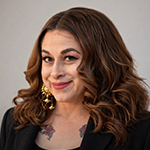 Andrea Michelle Lucero is a regional Spanish music performer, vocalist, and member of the musical group Divino, as well as a solo recording artist recognized with multiple music awards for her contributions to preserving Northern New Mexico’s cultural sound and traditions. Through her music, she actively promotes cultural identity, heritage, and intergenerational connection across communities.
For more than twenty years, Andrea has worked as a dedicated advocate supporting individuals and families impacted by domestic violence, substance use, and incarceration. Her work has centered on walking alongside community members seeking safety, treatment, stability, and pathways back into belonging. These experiences shaped her belief that true healing requires not only services, but connection to identity, culture, and community roots.
Andrea currently serves as Director of Collective Impact at United Way of Northern New Mexico, where she leads collaborative strategies that support youth resilience, prevention, and culturally grounded healing. Her work focuses on strengthening protective factors for young people experiencing the impacts of intergenerational trauma, including family separation due to violence, substance use, and incarceration.
She is deeply committed to advancing approaches such as Cultura Cura—the understanding that culture itself is medicine. Through art, storytelling, mentorship, and traditional knowledge, Andrea works to help youth reconnect with identity, belonging, and purpose while addressing the root causes of behavioral health disparities.
As both an artist and community leader, Andrea continues to build bridges between tradition and prevention, culture and wellness, and community voice and systems change across Northern New Mexico.
La Ventana
Moderated by Dolores E. Roybal, Non-Profit Consultant
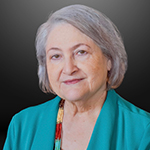 Dolores E. Roybal, a native New Mexican, retired in 2021 after a career spanning 50 years, including her 15-year tenure as the former Executive Director of Con Alma Health Foundation, where she secured over $60 million in funding for nonprofits in partnership with local, state, and national funders. Roybal’s experience includes serving on the boards of Grantmakers in Health, Hispanics in Philanthropy, New Mexico Association of Grantmakers (now Groundworks NM), Santa Fe Community Foundation, and the U.S.-Mexico Border Philanthropy Partnership, among others. Aligned with her career path, her studies focused on social work, community services, social planning, and organizational behavior & development in the philanthropic and nonprofit sector. She currently serves as a volunteer and consultant for NM nonprofits.
About the Presenters
Estrella Sandoval Becker, NMD
 Dr. Estrella Sandoval-Becker, NMD is a licensed Naturopathic Medical Doctor in the states of Arizona, California and New Mexico. She specializes in Functional Medicine and Digestive Health at her private family medical practice. As a health care provider she has been in medical practice for over eight years and in the health care industry for almost 20 years. Starting her medical career as phlebotomist, working as Kinesiologist specialist moved up the corporate ladder at Healthwaves Corp. as an operations manager before becoming a licensed practitioner.
Dr. Estrella Sandoval-Becker, opened her first medical practice in 2016 then branched off to established her own private practice in 2022 to provide more concierge care. She also shares her nutritional education with weight loss patients at Saguaro Medical Weight Control, in the Arizona Valley and Brea Weight Loss in Brea California.
Estrella means “star” in English and that’s exactly the type of quality she provides to her patients, star quality, hence the reason she named her practice Dr. Star NMD, PLLC. Dr. Sandoval-Becker’s education started at Mesa Community College where she obtained her Associates in Applied Sciences, then attended Arizona State University graduating with a bachelor’s degree in Kinesiology finally receiving her doctoral degree from the Southwest College of Naturopathic Medicine in 2015 (now Sonoran University of Health Sciences). She prides herself as a health catalyst who helps her patients stay committed to their goals of reaching optimal health. Her primary focus is getting to the root cause of her patient’s ailments while equipping them with the tools and knowledge they need to “heal thy self.”
Dr. Manuel X. Zamarripa
Manuel X. Zamarripa is the co-director and co-founder of the Institute of Chicana/o/x Psychology based in Austin, TX where he conducts community workshop platicas as well as professional development training for educators and mental health professionals on issues related to Chicana/o/x wellness, cultural identity, and mental health from a Chicana/o/x framework. Manuel’s publications and presentations in psychology and education focus on Chicana/o/x well-being, racial responsiveness, cultural revitalization, social justice and leadership. Chicano Psychologist, Dr. Zamarripa, is a licensed professional counselor and supervisor (Texas) and received his doctorate in Counseling Psychology from the University of Wisconsin-Madison, his master’s in Counseling Psychology from Our Lady of the Lake University, and his bachelor’s in psychology from the University of Notre Dame.
Refujio “Cuco” Rodríguez
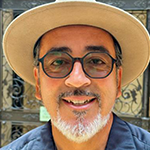 Refujio “Cuco” Rodríguez is a seasoned leader in philanthropy, racial equity, and community engagement, deeply committed to advancing transformative change for historically marginalized communities. As the Chief Equity & Program Officer at the Hope and Heal Fund, he leads strategic initiatives to address systemic inequities, reduce gun violence, and foster community-driven solutions.
Previously, Cuco served as a Program Officer at the W.K. Kellogg Foundation, where he played a pivotal role in advancing racial equity, leadership development, and community engagement. He was instrumental in developing the foundation’s Racial Equity Leadership Curriculum for the W.K. Kellogg Fellowship Program and spearheaded efforts to integrate racial equity principles into philanthropic technology initiatives. His work included designing collaborative platforms and refining grantee application processes to center racial equity. Before entering philanthropy, Cuco served as Division Chief & Ethnic Services Manager for the Santa Barbara County Department of Behavioral Wellness, leading the implementation of California’s Mental Health Services Act (MHSA).
Cuco also led direct service and advocacy efforts as Director of Family and Youth Services at the Community Action Commission, overseeing youth violence prevention, reproductive health initiatives, gang intervention, fatherhood engagement strategies, and rites-of-passage programming. His expertise in community mobilization and systems change has had a lasting impact on mental health, education, and youth empowerment.
A respected educator and thought leader, Cuco has served as an adjunct faculty member in the Human Services Department at Allan Hancock College and held multiple community service roles, including Board Chair of the National Compadres Network. He credits many of his opportunities to the service programs he was privileged to participate in, including Migrant Head Start, EOP, and Affirmative Action programs. Cuco earned his bachelor’s degree in agricultural engineering technology and a master’s degree in education with concentrations in counseling and guidance from California Polytechnic State University, San Luis Obispo.
With a career dedicated to equity, healing, and systems transformation, Cuco continues to be a driving force for social justice, ensuring that historically excluded communities have access to the opportunities and resources needed to thrive.
Dr. Juliette Sweet
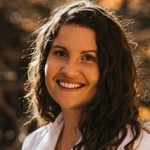 Dr. Juliee Sweet holds a Doctorate degree in Naturopathic Medicine and Master’s degree in Ayurvedic Sciences from Bastyr University in Seale, Washington. She has a private practice and is the owner of The Rose Center for Integrative Health in the Jemez Mountains of New Mexico. She is also the executive director of Jemez Valley Community Wellness, 501c3 non-profit. Dr. Sweet was the President of the New Mexico Association of Naturopathic Physicians when they attained licensure for Naturopathic Doctors in 2019. As a 2025 Con Alma Health Foundation “Hero of Health” Nominee, Dr. Sweet is passionate about community health and increasing access to integrative medicine for all.
4:00 pm – 4:30 pm
Closing Plenary Healing Ceremony and Final Blessing – Sandia Ballroom
Maestra Elizabeth Robles
Dr. J Rocky Romero, DSW, LMSW
NLBHA Senior Director
Dr. J Rocky Romero, LMSW is the CEO and owner of JR Romero & Associates, a company he started 23 years ago that focuses on behavioral health program development, program evaluation, consultation, and specialized training. He is currently a Program Director for the National Latino Behavioral Health Association (NLBHA). Dr. Romero completed his doctoral studies at the University of New Mexico in Language, Literacy and Sociocultural Studies (LLSS) with a focus on analyzing legal discourse related so Spanish colonization while applying a critical race theory lens. Dr. Romero was a doctoral fellow for El Centro de la Raza at the University of New Mexico during his doctoral studies where he also served as the President of the College of Education’s student Graduate Association in LLSS. Dr. Romero is a former Assistant Professor for New Mexico Highlands University School of Social Work in Albuquerque, NM. He served as the co-chair for Governor Richardson’s New Mexico Higher Education Cultural Competency Taskforce. Dr. Romero has also served as an Executive Council member for the NM-Consortium for Behavioral Health Training and Research to include many other boards and committees. Dr. Romero has been a trainer and consultant for the Substance Abuse and Mental Health Services Administration (SAMHSA) funded National Hispanic & Latino-Mental Health Technology Transfer Center for the last 13 years. In his role as a Technical Assistance expert for the NHL-MHTTC he has recently helped plan, develop, solicit local and national funding for the Northeast Regional Crisis and Treatment Center developed by San Miguel County in Las Vegas, NM.
Dr. Susie Villalobos, Ed.D., M.Ed., CCTS-I
NLBHA Senior Director
Dr. Susie Villalobos is an accomplished researcher, evaluator, and certified Clinical Research Associate with over 25 years of experience leading large-scale public health initiatives and community-based projects. She holds a doctorate from the University of Texas at El Paso, where she received the prestigious Graduate Excellence Fellowship Award during her final two years. Dr. Villalobos also holds a Master’s Degree in Educational Psychology with a focus in Community Counseling and is a Certified Clinical Trauma Specialist – Individual (CCTSI). In 2021, she graduated from the National Hispanic Latino Executive Leadership and Fellowship Program and received the Leadership in Impact award in 2023 at the NLBHA Behavioral Health Conference.
Dr. Villalobos specializes in designing and implementing rigorous evaluation frameworks that deliver measurable outcomes, particularly within underserved communities. Her extensive experience includes collaboration with prominent organizations such as the National Institutes of Health (NIH), National Institute on Alcohol Abuse and Alcoholism (NIAAA), Substance Abuse and Mental Health Services Administration (SAMHSA), and the Centers for Disease Control and Prevention (CDC), where she has led cross-border projects addressing health disparities. She applies her deep knowledge of grant management, stakeholder engagement, and policy analysis to each initiative, ensuring high-impact results.
As a former Regional Evaluator for the State of Texas, Dr. Villalobos has led high-impact projects across mental health and substance use prevention, applying evidence-based methodologies to assess program effectiveness. She has contributed significantly to the SAMHSA Strategic Prevention Framework, ensuring that data-driven approaches and cultural competence guide program development and delivery.
Fluent in both English and Spanish, Dr. Villalobos is committed to advancing equitable access to care for Latino populations, utilizing her certifications and expertise in trauma to foster community well-being. Her ability to translate complex data into actionable insights continues to empower organizations across the Southwest to enhance health outcomes and service delivery.
Available Conference CE Credits: 15 approximate/CME Credits: 9.0